Over the past few months, I’ve been gathering sources on Toll Houses. This is an Orthodox concept regarding souls after they leave the body and their ascent into heaven. Now let it be said, this is not a mainstream belief in modern Orthodoxy. There is much debate in it, but the concept does exist, and it also exists in Gnosticism. So this year I plan on posting various topics relating to the Toll House concept. This will be my first post regarding them and it references the Coptic text “The Apocalypse of Paul” (there is another text with the same name, but is different in content). So what are toll houses? While the soul ascends it meets various toll collectors which will test the soul while your guardian angel defends you. These collectors are various demons of the sins of the world. So think of it as a judgment but on a case by case basis. This is not a new concept and exists in various spiritual traditions. With that being said, let’s take a look at this Revelation to the Apostle Paul.
The text starts with the Apostle Paul traveling to Jerusalem. Along the way, he meets a small child who tells him that he blessed and to open his mind so he can ascend and meet the twelve apostles. This small child is identified as the Holy Spirit.
The Holy Spirit takes Paul to the third heaven, bypassing the first and second heaven for whatever reason. However, the Spirit immediately takes Paul to the fourth heaven, and there is where we first have an encounter. In the fourth heaven, Paul looks down and sees the twelve apostles on earth. But within the fourth heaven, he sees various angels who resemble gods. Then an angel brings forth a soul. Here is the encounter:
These angels took a soul from out of the land of the dead. They brought it to the gate of the fourth heaven, and the angels were lashing it.

The soul spoke and asked, “What sin did I commit in the world?”

In response the toll-collector living in the fourth heaven said, “It was unjust to commit all of those criminal acts found in the world of the dead.”

In response the soul said, “Produce witnesses who will show you in what body I committed criminal acts. Do you want to present only a book from which to read?”

And three witnesses arrived. The first spoke and asked, “Was I not in the body at the second hour [...]? I assaulted you until you fell into anger and wrath and envy.”

And the second spoke and asked, “Did I not dwell in the world? And I entered at the fifth hour, and I saw you and wanted to have you. And so, behold, I now charge you for the murders you committed.”

The third spoke and asked, “Did I not come to you at the twelfth hour of the day, towards the setting of the sun? I delivered you to the darkness, until you committed your sins.”

When the soul heard these things, it looked down, sad. And then it looked up, dejected. The soul which had been thrown down entered into a body prepared for it. And behold, its witnesses were finished testifying.
This here is an example of the Toll House concept. A soul is being put on trial for it’s sins, and in this case, the soul has been found guilty and entered a body prepared for it. Now the text does not go further with this, so does the soul get reincarnated into a new body (hence being stuck in Samsara if we use Buddhist terms), or perhaps a “dead” body which denies it’s entry into heavenly abode?
The Holy Spirit then tells Paul to follow along and they proceed to the fifth heaven, along with the twelve apostles. In that heaven, Paul sees the following:
I saw a large angel in the fifth heaven. In his hand he held an iron rod. Three more angels accompanied him, and I gazed intently into their faces. They, however, were challenging each other, whips in their hands, pushing the souls forward to the judgment.
This scene reminds me of the Orthodox icons under the theme of “Last Judgment”, see example below (which is a Leos Moskos painting from 1653).
The Holy Spirit, Paul and the rest of the Apostles went into the sixth heaven, and there was another toll collector there. Paul commanded the collector to open the gateway to the seventh heaven for him, the Holy Spirit and the Apostles, which the collector obliged.
In the seventh heaven, Paul and the rest of the group come face to face with the Ancient of Days.
14th century icon
Who is the Ancient of Days? Well, it’s another name for the Godhead. This is referenced in Daniel 7:13-14. NIV translation:
13 “In my vision at night I looked, and there before me was one like a son of man,[a] coming with the clouds of heaven. He approached the Ancient of Days and was led into his presence. 14 He was given authority, glory and sovereign power; all nations and peoples of every language worshiped him. His dominion is an everlasting dominion that will not pass away, and his kingdom is one that will never be destroyed.
In Orthodox iconography, the Ancient of Days is pictured as a white haired Jesus. The Ancient of Days and Paul have this conversation:
The man, ancient of days, spoke and asked me, “Where are you going, O Paul, O blessed one, and the one set apart from his mother’s womb?”

I, however, gazed on the Spirit. And he was shaking his head, saying to me, “Speak to him!”

And in response I said to the man, ancient of days, “I go to the place whence I came.”

And the man, ancient of days, asked me, “Where are you from?”

I, however, said in response, “I descend to the world of the dead to lead captivity captive, that which was led captive in the captivity of Babylon.”

The man, ancient of days, spoke to me and asked, “How can you escape from me? Behold and look on the principalities and authorities.”

The Spirit spoke and said, “Give to him the sign you have, and he will open for you.” And I then gave him the sign. He turned his face down, towards his creation, and to those authorities who belong to him.
What exactly was this sign? No description is given. A secret password? If you’re familiar with the Book of Jeu (a text that will be highlighted in a future Toll house inspired post), you know that souls need to give a secret password to ascend to the next phase of their journey. Perhaps this was the same…? After this, the text mentions the seventh heaven opened and that the group went into the Ogdoad. This is a special celestial area beyond the seventh heaven. I’ll reference the wiki article below for those looking into that concept as it is not one I want to dive into with this post. The text ends with the group going to both the ninth and tenth heavens, and greeting fellow spirits in those heavens. Nothing of substance is mentioned along those two visits.
The Coptic Apocalypse of Paul is a short text but it’s quite fascinating with it’s encounters of toll collectors. I used the Samuel Zinner translation for my post and will link to the public domain version of this text below.
(featured photo is a Toll House icon from an unknown date, will update if I figure it out)
….Because by your holy Cross You have redeemed the world.
In the past year, I have picked up on a few Roman Catholic practices, one being the Rosary and the other being the Way of the Cross (aka Stations of the Cross). This post is about the Way of the Cross and how I practice it. Those unfamiliar with the practice, it originated with the Franciscans building shrines that mimic the stations that existed in the Holy Land. If one was unable to make the pilgrimage to the Holy Land, you could meditate or pray along these stations at a local church (or home). The stations portray various events during the Passion narrative. It is typically done during Lent, but one can do it throughout the year. I try to do it at least once a month if not more. While I do not have actual stations on my land (that would be pretty neat), I do have a method I practice using a table layout. I will show what I use and provide links to these items. I usually avoid sharing links to purchase items but I figure in this case most of these are from independent sellers/artists and if I can help them get some exposure, then so be it! Please note these are not sponsored links, I get no kickback on any of these.
With the Way of the Cross practice, typically a person would use a “guide” and read it along with each station. There is typically an announcement of the station, then an introduction recital (which is the two lines at the beginning of this post), a subject matter regarding that particular station, and finally a closing prayer and poem before proceeding to the next station. There is no standard to these, but from the different pamphlets I’ve obtained, this seems to be the typical method. Now the subjects within each station varies greatly. Some are very focused on the actual station while others can venture off into the modern world and using that particular station as a highlight to a problem that exists today. I prefer them to stay more focused on the event of Christ’s passion but those other types may appeal to you.
When I do the stations, I like to set out a metallic cross layout that features small art depictions of each station. See below:
Now these little pieces I picked up off of Temu. Yes, I know…lol Here is a link to the product (HERE, note that sometimes items on Temu will be sold from various sellers, so other listings of this may be on the site and may be cheaper). When I go to recite each station, I will pick up that particular piece and meditate upon the art. I am a very visual person, hence my love for Christian iconography, so anytime I can bring a visual piece into my practice, I am for it. Another small art piece I use are mini-icons from Legacy Icons. See below:
Sorry for the blurriness but my phone wants to focus on the metal pieces. Legacy Icons put out an icon set of all the stations (LINK). You can buy actual bigger icons, but if you get those, be prepared to pay quite a bit. They did release an all – in – one icon that features them all together. I have one of those at an 8×12 size (LINK). They also put out a pamphlet one can use to follow along. Their pamphlet is more geared to someone who is Orthodox and is one I use the most (LINK). See below:
I also use iconography artwork from an artist by the name of Anatolii who sells on Etsy. You can order a digital download of the artwork and then print out for usage. I have printed all stations out in a 5×7 photo size and placed them in plastic photo/card holders. I made a video recently of my recitation of the Way/Stations of the Cross and have uploaded it on youtube. I used this particular artwork during that recording. This is posted below:
As you can see in that video, I also have the Legacy Icon 8×12 “all-in-one” icon on the left. Just a side note, I use the Francis of Assisi version of the Way of the Cross for my reading on that video. If you want to purchase the digital icons featured on the right side of the video, go HERE.
There are two readings/books I want to mention as I find them quite unique. One is by artist Kreg Yingst. This artist creates some amazing woodcuts. Here is the Way of the Cross book:
Now I do want to mention this book uses a new, Post-Vatican II version of the Way of the Cross that follows a more biblical account of the passion. Some of the stations are different and the newer version features 15 rather than 14. I typically follow the “traditional 14” version but will do the 15 occasionally. The book can be purchased HERE. I do recommend checking out the artist’s store as there is some great stuff on there! I also have the Psalms book and HIGHLY recommend it!
The final book I want to recommend is the following by Timothy Radcliffe with art by Martin Erspamer, OSB:
I did not purchase this online as I bought it at the Saint Meinrad Archabbey where Martin Erspamer, OSB is currently a monk there. A quick google search will provide links to the book online. If you ever get a chance to visit the Archabbey, Martin’s work is present everywhere. He has quite the unique style, so I was very happy to get this version of the Way of the Cross with his art. For a video of him check out:
The Way of the Cross meditation is a great way to go through the Passion narrative. I highly recommend picking up the practice if you have not already done so.
Awhile back I was at a local Hispanic store and while browsing through their devotional candles, I found one that really appealed to me with it’s symbolic art. The candle had the name of “Justo Juez”, which translates to “Just Judge” and has Christ being crucified but surrounding him, it had various symbols relating to the Passion. The art work resembled something you’d see on an esoteric art board hanging up at some lodge. Doing a search on google, it appears that the image is popular among Latin American folk Catholicism. Typically this image accompanies a prayer asking for justice and protection. With this blog post, I just want to go through the image and point out the various symbols. Pictures like this really interest me, so one with Christ and the symbols of his Passion, definitely catches my attention!
Here is an example of the Justo Juez artwork:
Starting in the middle of image, we have the crucified Christ with INRI (Iesus Nazarenus, Rex Iudaeorum; Jesus of Nazarene, King of the Jews) written across the top. To the top left, you have a sun but with the moon in front of it (an eclipse). Now I have seen variations of this art where it does not seem that the moon is in front and that it’s just the sun, and others where there is no sun at all. Below the sun is the rooster, which harkens to Jesus telling Peter about his three times denial before the cock crows. Speaking of that rooster, there is a very interesting Ethiopian story regarding that fowl creature, which I’ll need to share one day. It’s quite the tale……lol
The rooster is standing on a pillar, which can be ascribed to the pillar in which Christ was tied to while being whipped. Rope around the pillar would go along with that and there is a flail to the right of the pillar, which would have been an instrument during the scourging of Jesus. To the left of the flail is a torch. I don’t believe this is meant to be seen as literal but rather Jesus as the “light” or perhaps it’s a symbol of “passing the torch”.
Below the rooster, we have what appears to be a corn stalk, but historically that would be incorrect since corn, as we now know it, did not exist tin the middle east at the time of Christ. Now “corn” does get mentioned in some translations of the Bible, but that is a misappropriation for grain. Not sure why corn is pictured along with the Passion, as the only main “corn” narrative regarding Jesus is when he told his disciples to plunk ears of corn to eat during the Sabbath. Behind the corn stalk, I am not sure what this item is. An educated guess would be some kind of farming utensil, but really, I have no idea, lol. Below that is a wheat stalk. Wheat is referenced a few times in the gospels.
The last item on the pillar is the veil of Veronica. This is the cloth which a woman wiped the face of Jesus while he was carrying the cross. In the “Acts of Pilate”, the woman is given the name Veronica and church tradition has went with that name ever since. Interesting enough, I came across a “devotion to the Holy Face” in the last few months, which is a devotion dedicated to said image. Both Roman Catholic and Eastern Orthodoxy have iconography and stories relating to the cloth, though in EO it is sometimes referenced as the image of Edessa, which I wrote about awhile back (click HERE). In the future I may write about the Holy Face devotion practice in Roman Catholicism as it has an interesting story originated from the last two hundred years.
Moving to the right, we have a lantern/lamp on the ground, which is referenced quite a bit in the gospels. Next to that is the serpent from Eden and the apple not far from it. Now if we went with a Gnostic slant, this snake would have a different meaning, but being a Roman Catholic image, the snake would represent the devil and the apple being the temptation. The skull at the base of the cross represents death, and typically when at the base, it means Jesus conquering death. It can also represent “Golgotha”, being the place where Jesus was crucified. There is some dice next to the skull and that would be the dice belonging to the Roman soldiers who were casting “lots” for the seamless garment of Jesus. The bag of silver next to the dice represents the 30 pieces of silver Judas received as payment for turning in Jesus.
Before we get to the ladder and what’s on it, all the way to the right on the ground is a pitcher of water and basin that is used to wash the feet of disciples. But in the Passion narrative, it would represent Pilate washing his hands of the death of Jesus.
The ladder was used to take down the body of Jesus after his crucifixion, but the ladder itself could also represent Jacob’s ladder, bridging Heaven and Earth together. On the ladder it self, we first have a sword, which can be seen many ways. Literally, it could be seen as the sword that Peter uses to chop off an ear of one of the guards coming to arrest Jesus. Allegorically, it can represent justice, being that this art print is titled “Just Judge”. In the Gospels, Jesus does mention that “I did not come to send peace, but rather, a sword!”, so in that case, it would mean division/conflict. Next to the sword is the sponge that would be soaked in vinegar and hyssop that was given to Jesus when he requested a drink while hanging on the cross. Slightly behind that is a hammer, which would have been used to hammer in the nails through the body of Christ. The last staff on the ladder is the spear that would have been used to pierce the side of Christ.
I believe that is all the main symbols on this particular print. Some variations may have another item or two, or less. I do want to mention there are usually flames in the background, which would harken back to hellfire.
Google the Justo Juez image and see the various interpretations of the artwork. While browsing such results I seen that Amazon sells a small statue of the Just Judge! Now that is pretty neat.
Back in October of this year, I put out a book of original work on LULU titled “The Sunesis Cosmogram”, which features three essays I wrote regarding the Circumpunct Symbol of Freemasonry as well as the three virtues (Hope, Faith and Charity). The main essay of the book is my re-working of the Circumpunct and turning it into a different symbol and my interpretation of it. I did attach two other essays to the book, one of which is the “Wisdom and her Daughters” essay, which can be read HERE. The other essay was titled “The Monad Within You”, which I am presenting here on the blog in full. If you are unfamiliar with the Circumpunct symbol, no worries, it’ll be explained. If it looks familiar, well, it is, as the main point within a circle has been used by various traditions throughout history. I referenced it in my early blogging days in regards to the Monad of Gnosticism, and thus, it was incorporated into this essay when I wrote it in 2024. If you are interested in purchasing a copy of my book, I will provide a link at the end.
The Monad within You
A Masonic essay with Gnostic & Hermetic Tendencies
The point within a circle surrounded by two parallel lines, John the Baptist on the left and John the Evangelist / Theologian on the right, and the Holy Scriptures on top has many meanings behind it. A simplistic viewpoint is that the point is the individual, the circle within the two lines, which act as a boundary to circumscribe our passions and keep us within due bounds to ourselves and all of mankind. The Saints surround the outside and the Holy Scripture on top, which itself is our guide of faith. But what does this mean? Everyone will have a different take on the interpretation, but this will be my opinion, take it however you will. The point within a circle is an ancient symbol, going back thousands of years. I relate this symbol with the MONAD of Hermetic and Gnostic traditions.
What is a “Monad”? The MONAD is the name for the source of all creation. Originally thought to be conceived by the Pythagoreans, which would date it back to the 6th century BC. The concept has been used by various traditions since then. There are different takes on what it means. Since I come from a Gnostic mindset, my opinion on the meaning of the symbol is that the circle represents the fullness of “the source, i.e. God” with the point being the point which everything emanates outward. For “God” is everything and we are all within “God”, thus we would be within the circle. Ideally there would be no circle as “God” is everything and anything, but for our simplistic minds to comprehend it, we symbolize it as such. The Gnostic text The Apocryphon of John (aka the Secret Book of John) mentions this about the Monad: “The Monad is a monarchy with nothing above it. It is he who exists as God and Father of everything, the invisible One who is above everything, who exists as incorruption, which is in the pure light into which no eye can look. “He is the invisible Spirit, of whom it is not right to think of him as a god, or something similar. For he is more than a god, since there is nothing above him, for no one lords it over him. For he does not exist in something inferior to him, since everything exists in him. For it is he who establishes himself. He is eternal, since he does not need anything. For he is total perfection. He did not lack anything, that he might be completed by it; rather he is always completely perfect in light. He is illimitable, since there is no one prior to him to set limits to him.” There is much more that is said but this hammers in the point on what the Monad is. So if “God” encompasses everything, then we as an aspect of the source, would emanate the same principle. How does the point within a circle relate to a mere human being?
Taking a look at the next diagram, it gives you a clue of what it all means:
The middle point represents the SPIRIT of the source. The line (be it a literal line or invisible) from the point to the circle represents the SOUL. The circle would represent the material matter, i.e. the FLESH. These three concepts make up the human being. But it also makes up the path of which one has to partake in life. Instead of looking at it from the center outward, start from the circle and look inward. The FLESH is our material world. This is where we live our daily lives. Within us is our SOUL. This would be our consciousness, whether this is an individual aspect or part of a collective one. The source, or the SPIRIT, is the true originator, the SOURCE to which we constantly yearn to become one with once again. This road map shows us that we must become aware of our soul to find the path to the spirit. Once this DIVINE LIGHT is shown to us, we have our destination in which we are to go towards.
Now lets go back to the initial view of the point within a circle and that is the point which represents the individual and the circle is that of their boundaries to keep in their passions, vices, etc… That means to not let those particular issues overtake one’s life. The parallel lines are the boundaries in which one does not exceed. Basically one needs to keep their aspects in life in moderation and not over do it. This does not necessarily have to do with passions, vices or any negative issues, but even the most positive aspects need to be kept in tow. One needs to maintain balance in life. The parallel lines could also indicate a Positive + and Negative – boundary to one’s circumambulation . Stay centered! This has to do with POLARITY and that you need to weigh the pros/cons of your actions and how they will re-act to you from the opposite position. As for the figures surrounding the symbol, there is John the Baptist on the left and John the Evangelist / Theologian on the right, and the Holy Scripture at the top.
Pictured is John the Baptist. John is venerated as a Jewish prophet, as the last of the old testament prophets and forerunner of Jesus Christ in Christianity, a prophet of God in Islam, patron saint of Freemasonry and as the greatest teacher in Mandaeism. If we are to take the symbol of John from a Christian perspective, then what does he mean in relation to this symbol? The parallel lines surrounding the circle are also known to indicate the summer and winter solstices. Freemasonry honors the nativity feast day of John, which is on June 24. This day is near the summer solstice. This is in reference to a “birth”, the coming of a greater light. John has the title of ForeRunner, as he is the one fore tells the coming of Christ. The Gospel of John 1:6-9 states: “There was a man sent from God, whose name was John. He came as a witness, to bear witness about the light, that all might believe through him. He was not the light, but came to bear witness about the light. The true light, which gives light to everyone, was coming into the world.”
John is the symbol of birth. He is telling you that something greater is coming. He is telling you the TRUE LIGHT is coming to the world. The TRUE LIGHT is coming to YOU. He is a witness to this LIGHT. The Gospel of John 1:23 states: He said, “I am the voice of one crying out in the wilderness, ‘Make straight the way of the Lord”. John is that inner voice within you. He is that one crying out from the chaos and telling you that there is a greater LIGHT to come. John is the AWAKENING of your soul. In typical Christian iconography, John is often depicted as rugged looking. In relation to this point within a circle symbolism in the FM fraternity, John is a personification of the rough ashlar. This is the stone cut from a quarry that is in a crude and uneven shape. However, it is a stone in which perfection can be obtained. John, while having seen the LIGHT and a prophet of the almighty, does have his flaws, one of which is speaking his mind openly and that ultimately leads to his death. But for the individual, you enter into this path as the rough, uneven stone. This leads us to why John is on the left. If we view this as a map, John is in the West. This is where we start our quest for enlightenment, since the Sun (LIGHT) rises from the East. All paths lead East. John the Baptist is the perfect patron Saint for those who are beginning their journey.
To the right of the circle we have John the Evangelist / Theologian. If the Baptist marks the beginning of our path, then the Theologian marks the end goal. So what is it about this John that would ascribe as such? In Christian mythology, he is the attributed author of the Gospel of John, the letters of John and Revelation. Historically these can not be confirmed but when dealing with allegories, those issues do not apply. It is what we can learn from these stories and the wisdom that it bestows upon us that is of utmost importance. John the Evangelist / Theologian is the last of the Jesus movement apostles. The others had all died of unnatural deaths but John lived to be in his late 90s/early 100s (depending on what legend you read). He had a lived a full life and had been around from the early beginnings of the Jesus movement, to the death of it’s leader, and the beginning of the Christian church, whatever that may have been in those days (which is NOT how it is now). This long life allowed him to obtain much wisdom. The Gospel of John is unlike the other three gospels as it is a more theological based work. The use of symbolism is very high. John is not just recounting a story, he’s creating a mythology of God / LIGHT within the world. The use of symbolism throughout the Gospel of John is the foundation of the Christian religion. This entails the end of the original Jesus movement, bringing Divine Wisdom into the world as it’s ultimate achievement. This John also stands on the right of the point within a circle symbol, once again highlighting his importance in the East as WISDOM, the Divine LIGHT. So we start at the Baptist, i.e. the birth of our journey, and end with the Theologian, i.e. the culmination of our path. As I mentioned earlier, John the Baptist is associated with the rough ashlar, with John the Evangelist/Theologian, he is associated with the smooth ashlar. He represents the perfection of the Jesus movement. His work, particularly the Gospel of John, is the foundation of the faith. I have not referenced Revelation (The Apocalypse of John), but that work in itself is HIGHLY symbolic. While I perceive the work to be a political commentary of the time, it is often viewed by laymen as a prophetic tale. Those who view it that way are not reading the text properly and are taking the allegorical symbolism as literal figures/events. But in this case, if the same John is responsible for this text and the gospel of his name, then we can apply the symbolic nature to his WISDOM.
Finally we come to the top of the point within a circle, and that is the Holy Scriptures (The Bible).
This book, portrayed by the Christian bible, is a symbol of any volume of sacred law. It is the rule and guide of faith which one follows in their life. It is the written word (LOGOS) of God in that you use for your journey through life. If you are like me, you use numerous books as guides and not particularly stick with just one, but even if you just use one, the interpretations of such are vastly numerous. When one sees this book at the top of the circle, one via a Masonic outlook may wonder why it’s in the North, as that is where darkness is. Typically the South is perceived as where the Sun shines bright, so why would the Logos be in the dark? Let’s first look at Matthew 4:16: “The people living in darkness have seen a great light; on those living in the land of the shadow of death a light has dawned.”
2 Corinthians 4:6 states: “For God, who said, “Let light shine out of darkness,” has shone in our hearts to give the light of the knowledge of the glory of God in the face of Jesus Christ.”
John 1:5: “The light shines in the darkness, and the darkness has not overcome it.”
Do you see the pattern? The light shines brightest in the dark. The LOGOS of God shines upon you from the depths of darkness.
This concludes my interpretation of the point within a circle, or as I would like to call it, THE MONAD WITHIN YOU.
As with all symbolism, the interpretation is up to you. My opinion may or may not resonate but I hope it at least makes you think.
S.M.I.B.
-bP (originally written 2024)
Icons featured in the post are Russian icons from the past several centuries. If you are interested in purchasing my book, “The Sunesis Cosmogram”, you can do so here.
A few months ago I posted about the Nativity of the Theotokos and references two source materials, the Protoevangelium of James and the Gospel of Pseudo-Matthew. I will do the same for the feast day for the Entry of the Theotokos into the Temple, which is on November 21. This feast date commemorates Mary entering monastic life.
This first entry is from the PoJ and uses the Roberts-Donaldson translation:
And the child grew strong day by day; and when she was six months old, her mother set her on the ground to try whether she could stand, and she walked seven steps and came into her bosom; and she snatched her up, saying: As the Lord my God liveth, thou shall not walk on this earth until I bring thee into the temple of the Lord. And she made a sanctuary in her bed-chamber, and allowed nothing common or unclean to pass through her. And she called the undefiled daughters of the Hebrews, and they led her astray. And when she was a year old, Joachim made a great feast, and invited the priests, and the scribes, and the elders, and all the people of Israel. And Joachim brought the child to the priests; and they blessed her, saying: O God of our fathers, bless this child, and give her an everlasting name to be named in all generations. And all the people said: So be it, so be it, amen. And he brought her to the chief priests; and they blessed her, saying: O God most high, look upon this child, and bless her with the utmost blessing, which shall be for ever. And her mother snatched her up, and took her into the sanctuary of her bed-chamber, and gave her the breast. And Anna made a song to the Lord God, saying: I will sing a song to the Lord my God, for He hath looked upon me, and hath taken away the reproach of mine enemies; and the Lord hath given the the fruit of His righteousness, singular in its kind, and richly endowed before Him. Who will tell the sons of Rubim that Anna gives suck? Hear, hear, ye twelve tribes of Israel, that Anna gives suck. And she laid her to rest in the bed-chamber of her sanctuary, and went out and ministered unto them. And when the supper was ended, they went down rejoicing, and glorifying the God of Israel.
And her months were added to the child. And the child was two years old, and Joachim said: Let us take her up to the temple of the Lord, that we may pay the vow that we have vowed, lest perchance the Lord send to us, and our offering be not received. And Anna said: Let us wait for the third year, in order that the child may not seek for father or mother. And Joachim said: So let us wait. And the child was three years old, and Joachim said: Invite the daughters of the Hebrews that are undefiled, and let them take each a lamp, and let them stand with the lamps burning, that the child may not turn back, and her heart be captivated from the temple of the Lord. And they did so until they went up into the temple of the Lord. And the priest received her, and kissed her, and blessed her, saying: The Lord has magnified thy name in all generations. In thee, on the last of the days, the Lord will manifest His redemption to the sons of Israel. And he set her down upon the third step of the altar, and the Lord God sent grace upon her; and she danced with her feet, and all the house of Israel loved her.
And her parents went down marveling, and praising the Lord God, because the child had not turned back. And Mary was in the temple of the Lord as if she were a dove that dwelt there, and she received food from the hand of an angel.
This excerpt is from GoP-M, translated by Alexander Roberts, Sir James Donaldson, Arthur Cleveland Coxe:
And having weaned her in her third year, Joachim, and Anna his wife, went together to the temple of the Lord to offer sacrifices to God, and placed the infant, Mary by name, in the community of virgins, in which the virgins remained day and night praising God. And when she was put down before the doors of the temple, she went up the fifteen steps so swiftly, that she did not look back at all; nor did she, as children are wont to do, seek for her parents. Whereupon her parents, each of them anxiously seeking for the child, were both alike astonished, until they found her in the temple, and the priests of the temple themselves wondered.
Then Anna, filled with the Holy Spirit, said before them all: The Lord Almighty, the God of Hosts, being mindful of His word, hath visited His people with a good and holy visitation, to bring down the hearts of the Gentiles who were rising against us, and turn them to Himself. He hath opened His ears to our prayers: He hath kept away from us the exulting of all our enemies. The barren hath become a mother, and hath brought forth exultation and gladness to lsrael. Behold the gifts which I have brought to offer to my Lord, and mine enemies have not been able to hinder me. For God hath turned their hearts to me, and Himself hath given me everlasting joy.
And Mary was held in admiration by all the people of Israel; and when she was three years old, she walked with a step so mature, she spoke so perfectly, and spent her time so assiduously in the praises of God, that all were astonished at her, and wondered; and she was not reckoned a young infant, but as it were a grown-up person of thirty years old. She was so constant in prayer, and her appearance was so beautiful and glorious, that scarcely any one could look into her face. And she occupied herself constantly with her wool-work, so that she in her tender years could do all that old women were not able to do. And this was the order that she had set for herself: From the morning to the third hour she remained in prayer; from the third to the ninth she was occupied with her weaving; and from the ninth she again applied herself to prayer. She did not retire from praying until there appeared to her the angel of the Lord, from whose hand she used to receive food; and thus she became more and more perfect in the work of God. Then, when the older virgins rested from the praises of God, she did not rest at all; so that in the praises and vigils of God none were found before her, no one more learned in the wisdom of the law of God, more lowly in humility, more elegant in singing, more perfect in all virtue. She was indeed steadfast, immovable, unchangeable, and daily advancing to perfection. No one saw her angry, nor heard her speaking evil. All her speech was so full of grace, that her God was acknowledged to be in her tongue. She was always engaged in prayer and in searching the law, and she was anxious lest by any word of hers she should sin with regard to her companions. Then she was afraid lest in her laughter, or the sound of her beautiful voice, she should commit any fault, or lest, being elated, she should display any wrong- doing or haughtiness to one of her equals. She blessed God without intermission; and lest perchance, even in her salutation, she might cease from praising God; if any one saluted her, she used to answer by way of salutation: Thanks be to God. And from her the custom first began of men saying, Thanks be to God, when they saluted each other. She refreshed herself only with the food which she daily received from the hand of the angel; but the food which she obtained from the priests she divided among the poor. The angels of God were often seen speaking with her, and they most diligently obeyed her. If any one who was unwell touched her, the same hour he went home cured.
Then Abiathar the priest offered gifts without end to the high priests, in order that he might obtain her as wife to his son. But Mary forbade them, saying: It cannot be that I should know a man, or that a man should know me. For all the priests and all her relations kept saying to her: God is worshiped in children and adored in posterity, as has always happened among the sons of Israel. But Mary answered and said unto them: God is worshiped in chastity, as is proved first of all. For before Abel there was none righteous among men, and he by his offerings pleased God, and was without mercy slain by him who displeased Him. Two crowns, therefore, he received — of oblation and of virginity, because in his flesh there was no pollution. Elias also, when he was in the flesh, was taken up in the flesh, because he kept his flesh unspotted. Now I, from my infancy in the temple of God, have learned that virginity can be sufficiently dear to God. And so, because I can offer what is dear to God, I have resolved in my heart that I should not know a man at all.
If you like the North African magic that appeared in the “Book of Mary’s Repose” and the “Lefāfa Ṣedeḳ“, you’re going to love this. I recently obtained an English translation of the text known as “The Prayer of Mary At Bartos.” The booklet I received is just the text with no commentary or history, thus I had to read up on it at NASSCAL (link will be provided at the end of this post). So apparently this text was originally floating around as the prayer itself, in Greek and Coptic (at least), starting around the 6th/7th centuries. A few centuries later, a narrative story of Mary trying to help Matthias was added to the text as well as an ending to make it a more rounded story. This version survives in Ethiopic, Coptic and Arabic. The translation I am going to go over is by Bekele Tesfaye, D.P. Curtin and Rene Basset. This is a new translation, thus in copyright, so I won’t be reprinting it. Their text is available online for relatively cheap. I got a copy on Amazon for $9.
So what does the text speak of? To break it down, it’s a healing / protection prayer. Not just a simple few lines but rather pages of prayers, and within these pages are numerous names that you will have a hard time pronouncing. The text starts by mentioning the Virgin Mary is in the city of Bartos and having delivered Matthias the disciple from prison. Then it jumps to Jesus telling his apostles of this prayer he is about to proclaim. That none of the angelic beings know of this prayer, only him (whom he references himself as Alfa), the Father (whom he references as Ala) and the Holy Spirit (whom is referenced as Arâdyâl). Jesus mentions he will teach to his mother this prayer. She stood up and begged him to save Matthias and began reciting the prayer. The beginning is the typical praising and requesting help. Then it gets to an interesting part where Mary states the sixty names of the Father. She says as such: “Alfã (x7), Iyâèl (x8), Hidâèl (x7), Yodâèl (x6), Ournâèl (x7), Hernâèl (x8), Omis (x8), Dehdi, Neldi-kani, Hehdoudi. And yes, that does not equal 60 names, so either the text was missing names or it was translated incorrectly. I recognize some of the names as they appeared in the Lefāfa Ṣedeḳ, though I am not sure what these names translate to into English, except Alfã (that being Alpha). After announcing these names of the Father, the prayer goes in “hailing” mode and has Mary hailing numerous things and entities. During this section, it seems that it shifts from Mary doing the hailing to the reader. I believe something may be amiss in the translation.
After the end of all the hailing, the Archangel Gabriel begins a dialogue with Mary and then transitions back to praying towards Jesus (it can get a bit confusing, lol). However, when we get to that point, we get some interesting names appearing again. The name given to the blessed Father is “Félëlmyo”, the son is given the name “T’ino T’iqânos” and the Holy Spirit given the name “Kuërkuëryanos”. Now I have no idea where these come from. Mary then refers to the five nails that were driven into Jesus as Sator, Arepo, Tenet, Opera, Rotas. This of course relates to the SATOR square. This is used exactly the same as it is in the Lefāfa Ṣedeḳ, so I find that quite fascinating.
The text continues and the “secret” names keep coming. I am not going to list them all as I really just recommend getting the book as it is truly fascinating if you’re into these magical rituals from the Coptic tradition. I will make mention of some them though. There is a part where Mary is invoking the names of celestial beings, one of which is the morning star that she calls “Bèz”. Traditionally in the west this morning star was called Lucifer, and then that name has been bastardized and came to merge with Satan (that’s a whole other subject onto itself and is really a huge misunderstanding, but I digress). However, Bèz has a secret name and that is “Soufãr”, and it has other beings who walk with it that are named “Aksâr, Mardyâl, Madaryâl, Afeâl, Asëâl, and Aftiàl”. Names are also given to the Sun and the Moon, as well as those entities that walk with it. Yes, it gets crazy with all the secret names!
The next paragraphs include invoking various ArchAngels, then to the twenty four celestial elders. Be familiar with the Apocalypse of John, as this text references it quite a bit. There is one part where Mary starts naming angels who were with her during various events. She calls upon “Yâab, Fâamâ, and Fâyâm”, whom she states were with Jesus while he was in the womb. She calls upon “Sardour, Matouadâi, and Arâdyal” whom were protecting Jesus after his birth. And she calls upon the three angels who guarded the body of Jesus when he was in the tomb, and their names are “Râoul, Fâroul, and Fartěkâ”. Fascinating stuff!
More angelic invocations come about and the prayer ends a few pages later. It’s really hard to explain and give commentary to such a text as it’s just a ritual of invoking NUMEROUS names. I do want to mention a fragment of this text is on the Coptic Magical Papyri site, which you can view by clicking HERE.
I typically don’t provide links to Amazon, but for the sake of this particular post, here is the version I purchased of this text. Amazon link. If you do not wish to buy it off amazon, it is for sale elsewhere, but at least the amazon link will provide you with the technical details of said book. I HIGHLY recommend picking this up. Coptic/Ethiopic Christian magical texts are extremely fascinating and are quite rare in English translations, so you need to get them whenever you can.
Featured photo is an Ethiopic icon that is on the cover of Prayer of Mary Bartos book I went over.
September 8 is the feast day of the Nativity of the Theotokos. I realized I never shared the story of the event before, so I will present it here. This is from the Protoevangelium of James, a second century text. I have referenced this text before for other aspects, but never the first part. Here is the Roberts-Donaldson translation of the text:
IN THE RECORDS OF THE TWELVE TRIBES OF ISRAEL was Joachim, a man rich exceedingly; and he brought his offerings double, saying: There shall be of my superabundance to all the people, and there shall be the offering for my forgiveness to the Lord for a propitiation for me. For the great day of the Lord was at hand, and the sons of Israel were bringing their offerings. And there stood over against him Rubim, saying: It is not meet for thee first to bring thine offerings, because thou hast not made seed in Israel. And Joachim was exceedingly grieved, and went away to the registers of the twelve tribes of the people, saying: I shall see the registers of the twelve tribes of Israel, as to whether I alone have not made seed in Israel. And he searched, and found that all the righteous had raised up seed in Israel. And he called to mind the patriach Abraham, that in the last day God gave him a son Isaac. And Joachim was exceedingly grieved, and did not come into the presence of his wife; but he retired to the desert, and there pitched his tent, and fasted forty days and forty nights, saying in himself: I will not go down either for food or for drink until the Lord my God shall look upon me, and prayer shall be my food and drink.
And his wife Anna mourned in two mournings, and lamented in two lamentations, saying: I shall bewail my widowhood; I shall bewail my childlessness. And the great day of the Lord was at hand; and Judith her maid-servant said: How long dost thou humiliate thy soul? Behold, the great day of the Lord is at hand, and it is unlawful for thee to mourn. But take this head-band, which the woman that made it gave to me; for it is not proper that I should wear it, because I am a maid-servant, and it has a royal appearance. And Anna said: Depart from me; for I have not done such things, and the Lord has brought me very low. I fear that some wicked person has given it to thee, and thou hast come to make me a sharer in thy sin. And Judith said: Why should I curse thee, seeing that the Lord hath shut thy womb, so as not to give thee fruit in Israel? And Anna was grieved exceedingly, and put off her garments of mourning, and cleaned her head, and put on her wedding garments, and about the ninth hour went down to the garden to walk. And she saw a laurel, and sat under it, and prayed to the Lord, saying: O God of our fathers, bless me and hear my prayer, as Thou didst bless the womb of Sarah, and didst give her a son Isaac.
And gazing towards the heaven, she saw a sparrow’s nest in the laurel, and made a lamentation in herself, saying: Alas! who begot me? and what womb produced me? because I have become a curse in the presence of the sons of Israel, and I have been reproached, and they have driven me in derision out of the temple of the Lord. Alas! to what have I been likened? I am not like the fowls of the heaven, because even the fowls of the heaven are productive before Thee, O Lord. Alas! to what have I been likened? I am not like the beasts of the earth, because even the beasts of the earth are productive before Thee, O Lord. Alas! to what have I been likened? I am not like these waters, because even these waters are productive before Thee, O Lord. Alas! to what have I been likened? I am not like this earth, because even the earth bringeth forth its fruits in season, and blesseth Thee, O Lord.
And, behold, an angel of the Lord stood by, saying: Anna, Anna, the Lord hath heard thy prayer, and thou shalt conceive, and shall bring forth; and thy seed shall be spoken of in all the world. And Anna said: As the Lord my God liveth, if I beget either male or female, I will bring it as a gift to the Lord my God; and it shall minister to Him in holy things all the days of its life. And, behold, two angels came, saying to her: Behold, Joachim thy husband is coming with his flocks. For an angel of the Lord went down to him, saying: Joachim, Joachim, the Lord God hath heard thy prayer Go down hence; for, behold, thy wife Anna shall conceive. And Joachim went down and called his shepherds, saying: Bring me hither ten she-lambs without spot or blemish, and they shall be for the Lord my God; and bring me twelve tender calves, and they shall be for the priests and the elders; and a hundred goats for all the people. And, behold, Joachim came with his flocks; and Anna stood by the gate, and saw Joachim coming, and she ran anti hung upon his neck, saying: Now I know that the Lord God hath blessed me exceedingly; for, behold the widow no longer a widow, and I the childless shall conceive. And Joachim rested the first day in his house.
And on the following day he brought his offerings, saying in himself: If the Lord God has been rendered gracious to me, the plate on the priest’s forehead will make it manifest to me. And Joachim brought his offerings, and observed attentively the priest’s plate when he went up to the altar of the Lord, and he saw no sin in himself. And Joachim said: Now I know that the Lord has been gracious unto me, and has remitted all my sins. And he went down from the temple of the Lord justified, and departed to his own house. And her months were fulfilled, and in the ninth month Anna brought forth. And she said to the midwife: What have I brought forth? and she said: A girl. And said Anna: My soul has been magnified this day. And she laid her down. And the days having been fulfilled, Anna was purified, and gave the breast to the child, and called her name Mary.
Now I do want to mention the Nativity is also mentioned in a text titled Gospel of Pseudo-Matthew, which takes aspects from this text and others to make a more complete infancy gospel that leads up to Jesus as a young teenager. This text first appeared around the 9th century and has been added to since.
Here is the excerpt from the GoP-M, translated by Alexander Roberts, Sir James Donaldson, Arthur Cleveland Coxe:
In those days there was a man in Jerusalem, Joachim by name, of the tribe of Judah. He was the shepherd of his own sheep, fearing the Lord in integrity and singleness of heart. He had no other care than that of his herds, from the produce of which he supplied with food all that feared God, offering double gifts in the fear of God to all who labored in doctrine, and who ministered unto Him. Therefore his lambs, and his sheep, and his wool, and all things whatsoever he possessed, he used to divide into three portions: one he gave to the orphans, the widows, the strangers, and the poor; the second to those that worshipped God; and the third he kept for himself and all his house. And as he did so, the Lord multiplied to him his herds, so that there was no man like him in the people of Israel. This now he began to do when he was fifteen years old. And at the age of twenty he took to wife Anna, the daughter of Achar, of his own tribe, that is, of the tribe of Judah, of the family of David. And though they had lived together for twenty years, he had by her neither sons nor daughters.
And it happened that, in the time of the feast, among those who were offering incense to the Lord, Joachim stood getting ready his gifts in the sight of the Lord. And the priest, Ruben by name, coming to him, said: It is not lawful for thee to stand among those who are doing sacrifice to God, because God has not blessed thee so as to give thee seed in Israel. Being therefore put to shame in the sight of the people, he retired from the temple of the Lord weeping, and did not return to his house, but went to his flocks, taking with him his shepherds into the mountains to a far country, so that for five months his wife Anna could hear no tidings of him. And she prayed with tears, saying: O Lord, most mighty God of Israel, why hast Thou, seeing that already Thou hast not given me children, taken from me my husband also? Behold, now five months that I have not seen my husband; and I know not where he is tarrying; nor, if I knew him to be dead, could I bury him. And while she wept excessively, she entered into the court of His house; and she fell on her face in prayer, and poured out her supplications before the Lord. After this, rising from her prayer, and lifting her eyes to God, she saw a sparrow’s nest in a laurel tree, and uttered her voice to the Lord with groaning, and said: Lord God Almighty, who hast given offspring to every creature, to beasts wild and tame, to serpents, and birds, and fishes, and they all rejoice over their young ones, Thou hast shut out me alone from the gift of Thy benignity. For Thou, O God, knowest my heart, that from the beginning of my married life I have vowed that, if Thou, O God, shouldst give me son or daughter, I would offer them to Thee in Thy holy temple. And while she was thus speaking, suddenly an angel of the Lord appeared before her, saying: Be not afraid, Anna, for there is seed for thee in the decree of God; and all generations even to the end shall wonder at that which shall be born of thee. And when he had thus spoken, he vanished out of her sight. But she, in fear and dread because she had seen such a sight, and heard such words, at length went into her bed-chamber, and threw herself on the bed as if dead. And for a whole day and night she remained in great trembling and in prayer. And after these things she called to her her servant, and said to her: Dost thou see me deceived in my widowhood and in great perplexity, and hast thou been unwilling to come in to me? Then she, with a slight murmur, thus answered and said: If God hath shut up thy womb, and hath taken away thy husband from thee, what can I do for thee? And when Anna heard this, she lifted up her voice, and wept aloud.
At the same time there appeared a young man on the mountains to Joachim while he was feeding his flocks, and said to him: Why dost thou not return to thy wife? And Joachim said: I have had her for twenty years, and it has not been the will of God to give me children by her. I have been driven with shame and reproach from the temple of the Lord: why should I go back to her, when I have been once cast off and utterly despised? Here then will I remain with my sheep; and so long as in this life God is willing to grant me light, I shall willingly, by the hands of my servants, bestow their portions upon the poor, and the orphans, and those that fear God. And when he had thus spoken, the young man said to him: I am an angel of the Lord, and I have to-day appeared to thy wife when she was weeping and praying, and have consoled her; and know that she has conceived a daughter from thy seed, and thou in thy ignorance of this hast left her. She will be in the temple of God, and the Holy Spirit shall abide in her; and her blessedness shall be greater than that of all the holy women, so that no one can say that any before her has been like her, or that any after her in this world will be so. Therefore go down from the mountains, and return to thy wife, whom thou wilt find with child. For God hath raised up seed in her, and for this thou wilt give God thanks; and her seed shall be blessed, and she herself shall be blessed, and shall be made the mother of eternal blessing. Then Joachim adored the angel, and said to him: If I have found favor in thy sight, sit for a little in my tent, and bless thy servant. And the angel said to him: Do not say servant, but fellow-servant; for we are the servants of one Master. But my food is invisible, and my drink cannot be seen by a mortal. Therefore thou oughtest not to ask me to enter thy tent; but if thou was about to give me anything, offer it as a burnt-offering to the Lord. Then Joachim took a lamb without spot, and said to the angel: I should not have dared to offer a burnt-offering to the Lord, unless thy command had given me the priest’s right of offering. And the angel said to him: I should not have invited thee to offer unless I had known the will of the Lord. And when Joachim was offering the sacrifice to God, the angel and the odor of the sacrifice went together straight up to heaven with the smoke.
Then Joachim, throwing himself on his face, lay in prayer from the sixth hour of the day even until evening. And his lads and hired servants who were with him saw him, and not knowing why he was lying down, thought that he was dead; and they came to him, and with difficulty raised him from the ground. And when he recounted to them the vision of the angel, they were struck with great fear and wonder, and advised him to accomplish the vision of the angel without delay, and to go back with all haste to his wife. And when Joachim was turning over in his mind whether he should go back or not, it happened that he was overpowered by a deep sleep; and, behold, the angel who had already appeared to him when awake, appeared to him in his sleep, saying: I am the angel appointed by God as thy guardian: go down with confidence, and return to Anna, because the deeds of mercy which thou and thy wife Anna have done have been told in the presence of the Most High; and to you will God give such fruit as no prophet or saint has ever had from the beginning, or ever will have. And when Joachim awoke out of his sleep, he called all his herdsmen to him, and told them his dream. And they worshipped the Lord, and said to him: See that thou no further despise the words of the angel. But rise and let us go hence, and return at a quiet pace, feeding our flocks.
And when, after thirty days occupied in going back, they were now near at hand, behold, the angel of the Lord appeared to Anna, who was standing and praying, and said: Go to the gate which is called Golden, and meet thy husband in the way, for to-day he will come to thee. She therefore went towards him in haste With her maidens, and, praying to the Lord, she stood a long time in the gate waiting for him. And when she was wearied with long waiting, she lifted up her eyes and saw Joachim afar off coming with his flocks; and she ran to him and hung on his neck, giving thanks to God, and saying: I was a widow, and behold now I am not so: I was barren, and behold I have now conceived. And so they worshipped the Lord, and went into their own house. And when this was heard of, there was great joy among all their neighbors and acquaintances, so that the whole land of Israel congratulated them.
After these things, her nine months being fulfilled, Anna brought forth a daughter, and called her Mary.
Featured artwork is a 16th century icon of the Nativity of the Theotokos; Joachim and Anne icon from 18th century.
I haven’t done a Simon Magus post in awhile (check out my other posts via the “tag” at the bottom of this post), so I figured this would be a good one to share. I was browsing through the MASSIVE Ante-Nicene Fathers collection and came upon the Against Heresies section that is attributed to Irenaeus. I’ve heard about his writings but never read them. I seen he had a section on Simon Magus and figured I’d post what it said. This is from Philip Schaff’s translation from the late 1800s. This section introduces us to the companion of Simon, Helena.
Simon the Samaritan was that magician of whom Luke, the disciple and follower of the apostles, says, “But there was a certain man, Simon by name, who beforetime used magical arts in that city, and led astray the people of Samaria, declaring that he himself was some great one, to whom they all gave heed, from the least to the greatest, saying, This is the power of God, which is called great. And to him they had regard, because that of long time he had driven them mad by his sorceries.” This Simon, then—who feigned faith, supposing that the apostles themselves performed their cures by the art of magic, and not by the power of God; and with respect to their filling with the Holy Ghost, through the imposition of hands, those that believed in God through Him who was preached by them, namely, Christ Jesus—suspecting that even this was done through a kind of greater knowledge of magic, and offering money to the apostles, thought he, too, might receive this power of bestowing the Holy Spirit on whomsoever he would,—was addressed in these words by Peter: “Thy money perish with thee, because thou hast thought that the gift of God can be purchased with money: thou hast neither part nor lot in this matter, for thy heart is not right in the sight of God; for I perceive that thou art in the gall of bitterness, and in the bond of iniquity.” He, then, not putting faith in God a whit the more, set himself eagerly to contend against the apostles, in order that he himself might seem to be a wonderful being, and applied himself with still greater zeal to the study of the whole magic art, that he might the better bewilder and overpower multitudes of men. Such was his procedure in the reign of Claudius Cæsar, by whom also he is said to have been honored with a statue, on account of his magical power. This man, then, was glorified by many as if he were a god; and he taught that it was himself who appeared among the Jews as the Son, but descended in Samaria as the Father while he came to other nations in the character of the Holy Spirit. He represented himself, in a word, as being the loftiest of all powers, that is, the Being who is the Father over all, and he allowed himself to be called by whatsoever title men were pleased to address him.

Now this Simon of Samaria, from whom all sorts of heresies derive their origin, formed his sect out of the following materials:—Having redeemed from slavery at Tyre, a city of Phoenicia, a certain woman named Helena, he was in the habit of carrying her about with him, declaring that this woman was the first conception of his mind, the mother of all, by whom, in the beginning, he conceived in his mind [the thought] of forming angels and archangels. For this Ennoea leaping forth from him, and comprehending the will of her father, descended to the lower regions [of space], and generated angels and powers, by whom also he declared this world was formed. But after she had produced them, she was detained by them through motives of jealousy, because they were unwilling to be looked upon as the progeny of any other being. As to himself, they had no knowledge of him whatever; but his Ennoea was detained by those powers and angels who had been produced by her.

She suffered all kinds of contumely from them, so that she could not return upwards to her father, but was even shut up in a human body, and for ages passed in succession from one female body to another, as from vessel to vessel. She was, for example, in that Helen on whose account the Trojan war was undertaken; for whose sake also Stesichorus was struck blind, because he had cursed her in his verses, but afterwards, repenting and writing what are called palinodes, in which he sang her praise, he was restored to sight. Thus she, passing from body to body, and suffering insults in every one of them, at last became a common prostitute; and she it was that was meant by the lost sheep.

For this purpose, then, he had come that he might win her first, and free her from slavery, while he conferred salvation upon men, by making himself known to them. For since the angels ruled the world ill because each one of them coveted the principal power for himself, he had come to amend matters, and had descended, transfigured and assimilated to powers and principalities and angels, so that he might appear among men to be a man, while yet he was not a man; and that thus he was thought to have suffered in Judæa, when he had not suffered. Moreover, the prophets uttered their predictions under the inspiration of those angels who formed the world; for which reason those who place their trust in him and Helena no longer regarded them, but, as being free, live as they please; for men are saved through his grace, and not on account of their own righteous actions. For such deeds are not righteous in the nature of things, but by mere accident, just as those angels who made the world, have thought fit to constitute them, seeking, by means of such precepts, to bring men into bondage. On this account, he pledged himself that the world should be dissolved, and that those who are his should be freed from the rule of them who made the world.

Thus, then, the mystic priests belonging to this sect both lead profligate lives and practice magical arts, each one to the extent of his ability. They use exorcisms and incantations. Love-potions, too, and charms, as well as those beings who are called “Paredri” (familiars) and “Oniropompi” (dream-senders), and whatever other curious arts can be had recourse to, are eagerly pressed into their service. They also have an image of Simon fashioned after the likeness of Jupiter, and another of Helena in the shape of Minerva; and these they worship. In fine, they have a name derived from Simon, the author of these most impious doctrines, being called Simonians; and from them
“knowledge, falsely so called,” received its beginning, as one may learn even from their own assertions.

The successor of this man was Menander, also a Samaritan by birth, and he, too, was a perfect adept in the practice of magic. He affirms that the primary Power continues unknown to all, but that he himself is the person who has been sent forth from the presence of the invisible beings as a saviour, for the deliverance of men. The world was made by angels, whom, like Simon, he maintains to have been produced by Ennoea. He gives, too, as he affirms, by means of that magic which he teaches, knowledge to this effect, that one may overcome those very angels that made the world; for his disciples obtain the resurrection by being baptized into him, and can die no more, but remain in the possession of immortal youth.
Featured artwork is of Simon and Peter, from a 12th century German artwork.
Three years ago I wrote about the oldest known Dormition story titled “The Book of Mary’s Repose” and had did a review of the Ge’ez version (see post #1 here). Recently I found an old book published by my favorite early 20th century translator, E.A. Wallis Budge, titled “History of the Blessed Virgin Mary“, which is an English translated version of multiple Syrian manuscripts compiled together to create a full narrative of Mary’s life. Various infancy gospels and other non canonical texts were used to put together the story, including a version of the Dormition (falling asleep) story. Now this isn’t exactly like the Ge’ez version (notice that some of the more “weirder” aspects are no longer there, hence a later version of the story), but since this translation is in public domain, I decided to reprint it in full. As always, I will modernize words here and there. I still highly recommend getting the Stephen Shoemaker book I reference in my previous post, as it’s an EXCELLENT resource on the dormition tradition. And just a side note, those who are not aware, August 15 is the feast day of Mary’s dormition.
And it came to pass that the Apostles had gone into the four quarters of the world, but Mary remained in Jerusalem, mourning because of her separation from our Lord, and because of the remoteness of the Apostles from her and from the place where she was. And she prayed unto God, and she put incense on the fire, and she lifted up her eyes, and she spread out her hands towards heaven, and said, “O Christ, the Son of the Living God, hearken unto the prayer of Thine handmaiden, and send unto me John the Less, and the Apostles his companions, so that I may see them and may be consoled by the sight of them before the day of my departure; and I will give thanks and worship Thy goodness.” And straightway it was revealed unto the Apostles by the holy Spirit, even unto each one of them in the place wherein he was, that the mother of our Lord was about to depart from this world to the life which never ended. And the Holy Spirit made known to them all in a revelation that on the morning of the morrow they should all be gathered together unto Mary.
And it came to pass that in the morning the blessed woman Mary laid incense upon the fire, and she prayed and said, “O my Lord, behold the people of the Jews wish to burn the body of Thine handmaiden, but fulfil not for them their desire; but my desire for the coming of John the Less and of the Apostles, his companions, do Thou fulfil.” And as soon as her prayer was ended, the Holy Spirit revealed her wish unto John the Less while he was preaching in Ephesus; now many people were gathered together round about him. And straightway the Spirit urged him, and said unto him, “Today is the last day of the mother of thy Lord upon earth, and she is now about to depart from this world unto everlasting rest, and she desires earnestly to see you; arise, then, and go speedily, and see her before she goes out of the world.” And it came to pass that while the Spirit was speaking unto him, he was seized bodily by the power of Christ, and with exceedingly great quickness and in the twinkling of an eye he found himself in the presence of the blessed woman. And when he saw her lying upon her death-bed he was sorrowful, and he saluted her, and he did homage before her in faith. And the blessed woman rejoiced exceedingly at his coming, and she said unto him, “O John, the hour hasten, and there is no opportunity for talking. Rise up, make ready the censer, and put incense therein, for I am desiring to see all thy companions at the same time as I see thee.” Then the blessed woman straightened herself in her bed, and sat up, and she and John prayed together. And it came to pass as they were praying, that immediately the sweet smell of their censers had ascended, in that same moment the Holy Spirit made known concerning the departure of Mary unto all the Apostles, unto each one in the country wherein he was, the living in the places where they were, and the dead in their graves. And the Spirit made known unto each one of them in his country, saying, “The mother of thy Lord departs this day from this world. Arise, go, salute her, and see her, and be blessed by her holiness.” And as soon as the Spirit had revealed the matter unto each one of them, immediately he appeared in the presence of the holy woman.
Simon Peter, the chief of the Apostles, was teaching in Rome, where many people had been turned to the faith of God by his hand. And on the day when he was ending his discourse (now it was the time when he was about to break the Eucharist, when much people were gathered together to be blessed by him, and when he himself was offering the Offering, and at the time of the offering of the Offering, whilst he was kneeling before the altar,) the Holy Spirit revealed the matter unto him and said, “Leave thy Offering in the hands of those who shall complete it, and arise, go, and salute the mother of thy Lord, for this day she departs from this world.” And whilst the words were in the mouth of the Spirit, Simon Peter found himself in the presence of the blessed woman.
And Paul, the Apostle, the teacher of the Gentiles, after he had taught in various cities, and had turned many people unto Christ, went down to the city of Tiberias ; and he preached unto and taught all the people that were therein. And on that day he was oppressed in his speech, and whilst he was among the congregation his mind was perturbed, and it was revealed unto him in a revelation, saying, “The mother of thy Lord is about to depart this day from this earthly life unto the life and happiness which are everlasting.” And when as yet the words of the Spirit were not ended, he found himself seized by the might of the Spirit, and carried away to the upper chamber where the blessed woman was lying.
And the apostle Thomas, after he had taught the Indians, and the Chinese, and the Cushites, and the people of all the islands near and far, having crossed the sea in his journeys to preach, was one day preaching in India, when the Spirit revealed Himself in his heart, saying, “O Thomas, rise up, and go unto Jerusalem, and see the Virgin before she departs from the world; and tarry not overmuch, for the distance is great”. And while he was thinking upon this thing, straightway he found himself standing before the holy woman.
And Matthew, one of the Evangelists, after having preached the Gospel of the glad tidings of Jesus in Judea, and in all the country of Palestine, was minded to go and preach unto the other islands. And it came to pass that while he was travelling on the sea in a ship, and was among the waves of the sea, the Holy Spirit made known unto him concerning the approaching death of the lady of peace; and from the midst of the ship the Spirit seized him and brought him unto the Virgin.
And while Bartholomew was teaching in the city of Thebes, the Spirit told him concerning the departure of the excellent woman; and he rose up quickly, and by the power of the Holy Spirit he was transported into Jerusalem unto the holy woman.
And James the blessed Apostle, who was surnamed the brother of our Lord, was in Jerusalem. And while he was standing at his ministrations, the Spirit said unto him, “Go forth, and get thee gone to Bethlehem, for the mother of our Redeemer shall this day depart from the world; go thou, and be blessed by her.” And he went forth and departed, without having finished his ministrations, unto Bethlehem, and he saw the blessed woman.
O my brethren, that the Apostles who were alive, and who were gathered together by the might of our Lord, and who came, each one from the country wherein he was, in a moment, is indeed a most wonderful and marvellous thing, and one which the tongue cannot possibly tell. But it is a much more marvellous thing how the Apostles who had departed this life, and were dead and buried in their graves were brought to life in one moment; and how they were turned into living beings again; and how their bodies were renewed; and how they cast off the dust into which they had turned; and how they were changed from beings of corruption into beings of incorruption; and how they rose up, and went forth from their graves without thinking in their minds and saying, “What can this thing be?” For they did not meditate in their minds, saying, “What is this matter? And for what reason are we removed from our graves?” Now, according to my opinion, they considered this removal to be the Resurrection, and they imagined that it was the quickening of the dead. But the Power which quickened them made them to understand that they must not delay, and that they must not imagine that the movement was the quickening of the dead, and that they must not think that it was the Resurrection. For it said unto them, “Ye have come to life that ye may hear this message, ‘The mother of your Lord is about to go forth from the world this day; rise up, and go forth out of your graves’.” And as soon as they heard the word, the Spirit of the Lord seized them and bore them to the blessed Woman, and they were blessed by her.
First of all unto Philip was it said in the grave, “O Philip, rise up from among the dead, for the mother of thy Lord looks for thee;” and the Spirit like a bird took him, and bore him away unto the blessed woman, and set him down by her side.
And Simon the Canaanite was dead also, but unto him likewise in the grave did the Spirit say, “The mother of thy Lord expects thee; rise up, depart and be blessed by her.” And straightway he found himself by the side of the blessed woman.
And Luke, the Apostle, one of the Evangelists, who had taught in Alexandria had been slain there because of his preaching, and therein had his body been buried. And as he was lying in the grave, the Divine Power quickened him , and said unto him, “This day will the mother of thy Lord depart this life;” and while he was marveling within himself, the nod of his Lord seized him, and carried him away and set him by the side of the couch of his Lady.
Andrew, the brother of the blessed Peter, died in Byzantium, and being in the grave the Spirit quickened him, and took him to the holy woman.
Mark, the son of Simon Peter, had built a church in the city of Anzianzu, and having died his body was laid in it. And, though dead, he felt the motion of life, and the Spirit quickened him, and took him with power, and made him to come unto the place where the blessed and holy woman was.
Thus the living went forth from the places wherein they were, and the dead arose from out of their graves, and in one moment they were all gathered together ; then straightway a chariot of light was yoked beneath them all, and by the might of the Spirit it bore them from afar off to the Virgin without labor and without weariness. And a cloud of light yoked itself unto the chariot beneath them, and they all sat thereon; and a pillar of light went before them. And the Archangel Gabriel ran before them, and Michael leaped before them and made smooth their way; and David the king went before the Apostles of the blessed One, holding his harp and singing psalms, until they arrived at the upper chamber in which the Lady Mary was reclining.
And it came to pass that when the Apostles arrived at the upper chamber, they did homage before her, the mother of their Lord. And they saluted their Lady, and they embraced her, and they kissed her, and they showed love unto the blessed woman because they saw her still alive. And the blessed woman Mary straightened herself, and sat up on her couch, and rejoiced with an exceedingly great joy by reason of the coming of the Apostles. And she said unto them, “Come in peace, O ye Apostles of Christ, come in peace, O ye servants of the Highest; our heart is to you, O ye chosen ones of the Blessed One! How have ye fared in the world? How have ye taught? How have ye preached? How have ye made disciples? Have ye brought the Gentiles nigh unto your Lord? Have ye turned all the people of the world into members of the household of Christ?” And the Apostles said unto the blessed woman, “By the help of thy Son and by the might of thy prayer we have fared well. And we have made disciples and baptized many; and we have brought the world to the belief of our Lord, and we have preached His Name in the four quarters of the earth. There remain neither kings nor governors whom we have not brought under the yoke of Christ; behold. His Name is preached and praised from one end of the earth even unto the other.” And when the blessed woman heard these things she gave thanks unto the Lord, and blessed the Apostles.
Then the Lady Mary commanded John, and said unto him, “Put incense on the fire, for, behold, all creation is about to arrive.” And it came to pass that when John had put incense on the fire, and while the Apostles were standing up, behold the mother of the holy woman Mary entered, and bowed the knee, and did homage unto her, and saluted her. And after a little while Elizabeth also entered, and saluted her and sat down; and afterwards Anna the prophetess entered also. And then there arrived at the door of the upper chamber the chariot of the Patriarchs, and our father Adam alighted therefrom, and entered in and did homage to the holy woman Mary. And after him there came Seth, and he knelt upon his knees before her; and then Noah and Shem did homage unto her.
And next there came the chariot of the true believers, with Abraham the righteous man, and Isaac his son, and Jacob the true believer. And then there entered in the Heart of God, the prophet David, the good king, with his harp in his hand ; and he did homage before the blessed woman, and he sat down to sing psalms in her honour and to celebrate her glory. And they all said unto her, “Peace be unto thee, O blessed woman;” and they did homage before her with reverence, and they bowed their heads before her, and were blessed by her.
And next there came a chariot which travelled along in a mass of fire, and the wheels thereof were of fire, and in it were seated all the prophets who had prophesied concerning the coming of Christ; and they, too, went into the chamber and saluted Mary.
And next there came a chariot which was one blaze of light, and in it there sat the martyrs who had been slain for the hope of the kingdom; and they entered into the chamber, and did homage before the glorious Virgin.
And next there came the chariot of the Cherubim and of the Seraphim, and they did homage before her; there remained upon earth not a single righteous man, living or dead, who did not come to do honor to her departure; and there was not a spirit in heaven that tarried in coming to accompany her with honor.
And after a little time the holy woman said unto John and unto all the Apostles, “Burn incense, and go forth to meet your Lord, for, behold, He comes”. Then straightway were the heavens shaken, and the doors of the firmament were opened wide, and the earth reeled by reason of its quaking, and the hosts of heaven went forth through the gate of the firmament, glorifying the name of their King; and they were carrying trumpets, and they were singing psalms sweetly, and were praising His glory. And they were drawn up in companies, and the various squadrons of angels were ready to accompany their Lord as He went forth. Then suddenly thousands and tens of thousands of spiritual beings ran and took up their positions like pillars round about the upper chamber, and there came down from above an ark of fire and flame which overshadowed the blessed woman. And next there appeared the glorious chariot which bore within it Enoch, and Elijah, and Moses; and they came in and did homage unto the holy woman, and then they went forth to await their Lord. And next there appeared twelve legions of angels holding trumpets in their hands, and they blew blasts upon the horns, and they sounded , their trumpets loudly. And it came to pass that at the blast of the horns and trumpets our Lord Christ revealed Himself, and He was arrayed in a garment of glory, and He bore in His hands the emblem of the Cross. And all creation shone by reason of His splendour, and all created things ran to salute Him; and they all did homage before His chariot which was brilliant with fire and with flame. And they all surrounded the chariot with shouts and with acclamations; and the chariot descended and alighted by the side of the place where the blessed woman was. And when the holy woman saw Him, she recovered her strength, and stood up, and blessed Him, and did homage unto Him. And our Lord cried unto His mother in that hour, and said unto her, “Mary!” And she made answer unto Him, saying, “This is too great for me, O my Lord and Teacher. But I have greatly longed to see Thee.” And He said unto her, “Behold Me.” And when she had looked and had seen Him, her soul rejoiced, for she saw upon Him glory and goodness which the mouth and tongue of man cannot describe. Then our Lord spoke unto her in a sweet and gentle voice, saying, “O My mother, I am about to make thee to depart unto Paradise, until I come at the last day, wherein I shall dissolve the heavens, and shall make the earth to pass away, and wherein I shall bestow good things upon My chosen ones, and inflict punishment upon the wicked. On that day will I make thee to ascend unto Me in My kingdom.”
And it came to pass that when Mary heard these things from her Son, she said unto him, “O my beloved Lord, stretch out Thine hand and lay it upon my eyes”; and He stretched out His right hand and laid it upon her eyes. And she began to make entreaty and to say unto Him, “O my Son, make Thou the memorial of Thine handmaiden to be remembered even unto the end of the world. Receive, O my Lord, the prayers and supplications of all who call upon me in faith, and put Thou away from them times of stress, and calamities, and punishments, and famines, and afflictions, and plagues of every kind. And upon all such as shall celebrate the commemoration of me, or who set apart for me an offering, let not the punishment of pestilence fall, and let not sickness have dominion over their bodies. And whenever those who believe in me shall have desire for the house which shall be built in my name, and shall make mention of me in their prayers, put Thou away from them evil hap, and trials, and severe sufferings. And upon the possessions of him that shall set apart and shall give unto me an abundant gift of that which belongs unto him, let a blessing rest, and let not the locust, and the insect which laid waste, appear in his fields at any time, and let not cold injure his vineyard and his crops. And unto every one who, being in affliction, shall call upon my name, O Lord Christ, do Thou be unto him a helper. And whosoever, having been seized with sickness, shall make mention of my name, and shall take refuge in me, heal Thou him, O my Lord, in Thy mercy. And increase Thou the substance of the rich men who shall honor me with their riches, and bless Thou everything which they shall have. And of the poor who shall take refuge in my prayers fill Thou to overflowing the barns with grain, and do Thou satisfy their hunger, and make Thou their stores of food to be abundant. And let those who set out on their journeys to travel by land, and who call upon my name, be delivered from thieves; and let those who travel on the sea in ships be saved from storms. And unto the women who have been long barren, and who wish to become the mothers of children, and who call upon my name, O my Lord and my Son, grant unto them the power to bring forth children and to rear sons and daughters. And visit Thou the earth with blessings, with fertile vineyards, and with abundant crops, and with good things; and let peace reign in all the inhabited world for ever and for ever!”
And our Lord answered and said unto her, “O My mother, whatsoever thou has asked of Me I will do, and I will also fulfill the petitions of any one who shall call upon thee and shall take refuge in, thee, henceforth and for ever.” And it came to pass that when my Lady Mary heard these things she laid her hands upon her breast, and delivered her soul unto her Son; and straightway He took it up with Him to the mansions of light. And the chariots were lifted up, and there was a great quietness, and the odor of sweet scents breathed from the upper chamber in which Mary was lying.
And it came to pass when the Jews saw that many mighty deeds were wrought on the day of the departure of Mary from the world (now at the very moment in which the blessed woman died all those who were in affliction had relief, and those who were sick were eased from their pains and were healed straightway), and that they could do no harm unto the body of the holy woman, and that works of helpfulness were flowing from the Cross and from the nails of our Lord out of the place wherein they were, they desired to hide them from the children of men so that they might not be benefited by them. Then the believing men who were in Jerusalem, and who were about fifty in number, went in to the judge of the city, and they related unto him concerning the truth of Jesus and the wicked acts of the Jews. And the judge sent by night for the chiefs of the Jews, and he smote them severely with blows, and admonished them that no man should do harm unto the Christians. Now the judge had an only son who was sick, and the physicians of Jerusalem were not able to heal him; and the judge said unto the believers, “I entreat you to pray for my sick son.” And they said unto him, “Carry him to Bethlehem to Mary and the Apostles, that they may lay their hands upon him, and he shall be healed.” Then the judge and his son rose up and they went to Bethlehem to Mary. And the judge said unto her, “Peace be unto thee, O thou who art full of grace! And peace be unto the Fruit of thy womb! The tongue and the mouth of flesh are too weak to describe the glories of thy beloved Son.” Then the governor turned round and saw the Apostles sitting before the blessed woman, and he said unto them, “Peace be unto you, O ye Apostles of the Blessed One, and peace be unto your Master Who has chosen you for His preaching!” And the Apostles said unto the governor, “And peace be unto thee, and our Lord be with thee! We have heard of all that thou has done unto the Jews. And behold, for five years have we been preaching the Gospel of Jesus among all nations, and they have turned from their error; but the nation of unbelieving Jews have not turned from their wickedness. And this day we are gathered together, as thou sees, unto this blessed Mother by the might of the Holy Spirit. And there is here one whose country is distant a journey of one year, and there is another whose country is distant a journey of five months, and yet in one night we have been gathered together to the Mother of our Redeemer, that we might see her and be blessed by her. And behold, she is about to depart from the world, and it is meet for us to follow in her train and to honor her with psalms of the Holy Spirit. It is meet that her holy body should be praised both by the children of men and by angels, for in it dwells the Holy Spirit.”
And it came to pass that when the Apostles had said these things unto the governor, he did homage unto them, and he entreated from them the healing of his son; and the Apostles brought his son nigh unto the blessed woman Mary, and she stretched out as it were the similitude of her right hand, and stroked him, and he became as if he had never been ill at any time. And the governor marveled, and glorified God by reason of all the things which his eyes had seen; and he went back to Jerusalem and narrated unto his companions every thing which he had seen. And a few days later he went up to Rome to Caesar the Emperor, and he related to the Emperor and to his nobles concerning the wickedness of the Jews, and concerning the mighty deeds which the blessed Lady Mary, the Mother of Christ, had wrought, and concerning the coming of the Apostles unto her. And the believers who were in Rome wrote down these triumphs and sent them into the four quarters of the world.
Now our Lady Mary departed from this temporary life in the three hundred and forty-second year of Alexander. She was fourteen years old when she was frightened by the appearance of the angel, and she was with Christ for thirty and three years, and she lived five years after the crucifixion; which years are in all fifty-two.
And it came to pass that the Apostles came through the Holy Spirit (now they, had been made wise by the Spirit), and they said unto one another, “Come, let us make a distinction between the burial of those who believe, and of those who do not believe, and between those who have received the sign of baptism and the heathen and the Magians and the Jews, and let us establish canons of distinction; and let us make a beginning with this holy body of Mary, the fountain of life.” Then they wrapped in linen the body of Mary for burial, and laid her upon a bier, and they began to sing the service of hymns of the Holy Spirit, even as the Spirit taught them; and the sound of their voices was like unto the voices of the angels, who were teaching them. And they took Mary to carry her and to bury her in the cave of the Mount of Olives, and a multitude of women from Bethlehem and from Jerusalem were following in her train, and were wishing to see where they were going to lay her, so that they might go and pray there.
Now when the Jews saw the service, and the great procession, the like of which had never before been seen, they were ashamed, and they became mad with envy. And they went unto the governor of the city, and said unto him, “My Lord, we know that these Christian people have gone after error, but today their mother who bore for them the Error has died, and behold, they are accompanying her to the grave with great honor; but now, take thou whatever is convenient, and rid us of them.” Then the governor, having taken the bribe, took no further concern for the Christians. And the governor had a certain soldier of huge size and strength, and the Jews gave him a bribe to go with them, so that when the Christians saw him they might say that they had come from the governor, and that no man might say a word against them. Now the shameful Jews had made a crafty and secret plot concerning the body of Mary, which they wished to burn with fire, and they wished to make an attack upon the bier of Mary. And they said unto Yophana, the soldier whom they had brought with them from the governor, “Do thou lay hold upon the bier of Mary, while we carry off her body.”
And it came to pass that, when the Apostles saw that Yophana had come with them, they perceived the craft of the Jews. And the Jews said unto Yophana, “Draw nigh, and breathe only upon Mary, and she shall fall from her bier, for, behold, the disciples of that Deceiver think that they have conquered Jerusalem.” Then Yophana drew nigh, and threw out his two arms upon the two poles of the bier, and he hung his weight upon them, so that the bier might be broken, and the body of Mary might fall there from, and the Jews might seize it and carry it away and burn it with fire. Then John the Less turned, and he made the sign of the cross over Yophana, and the angel of the Lord smote him, and his limbs became weak and powerless. And he shrieked with pain, and cried out and said, “O Christ, the Son of God, have mercy upon me! For the Jews who crucified Thee have made me to err, and so I came to make an attack upon her who bore Thee. But give Thou me strength in my members, so that I may slay the Jews.” Then Simon Peter turned, and made over him the sign of the cross, and his strength returned unto him. And he leaped up, and stood upon his feet, and drew his sword upon the Jews, and they were not able to stand against the power of his might, and they fled before him. And they entered into the city, and came unto the governor, and said unto him, “My Lord, Yophana has gone over to the Christians, for he has left us, and has helped the Christians against us.” Then the governor called Yophana, and said unto him, “Yophana, what is this that thou has done?” And Yophana related unto the governor the cause of what had happened, and he revealed unto him concerning the affair. And it came to pass that when the governor heard these things he laughed at the Jews, for on account of the great strength of Yophana he was afraid of him. Thus were the Jews put to shame.
And the Apostles bore along the body of Mary with great pomp, and the multitude of people who had come with them from Jerusalem accompanied it, and paid great honor unto it. And they went down to the valley which there is on this side of the Mount of Olives, where there are three very large caves; now one of them was double. And the innermost division of the double cave was new, and up to that time no one had been laid therein; and a stone had been placed against the mouth of it. In this place did they lay the body of Mary, and they placed a stone against the door of the cave. And Simon Peter stood up and spoke unto the multitude that was there, and entreated the believers to set watchmen over the grave of Mary, so that the Jews might not come and carry off the body and treat it with insults and contempt, and burn it with fire. Now the Apostles had received a revelation from God concerning what Christ was about to do with the body of Mary. And Simon stood up and said unto the believing men, ”Know ye not what Christ is about to do with the body of His Church? For Christ knows what will benefit His Church more than anything for which we can ask. For as the body of the Son of Mary is divided among all the churches in which the Apostles have preached, and is given for the propitiation of those who receive it in faith, even so is it granted that churches shall be built in her name throughout the whole world, in remembrance of the blessed woman, His mother, and the people there shall be made happy by the memorial of her. And the place here in which her body has been laid will our Lord hide from all the children of men, just as the body of our Lord was hidden when it had been laid in the grave with watchmen to watch it. For He rose and went forth from among the dead, and put to shame those who crucified Him, and made His disciples to rejoice. Even so He will not allow the body of her who gave Him birth to fall into the hands of the Jews. Depart ye then in peace to your homes, and pray ye each for the other.” These things did Simon say unto the assembly of believers who were gathered together there.
And it came to pass that after these things the Jews, who were sorcerers, meditated on the matter, and gave counsel to the people how to do harm unto the body of the holy woman, and how, in time, they might prevent men and women from going to her grave, and from being helped by the benefits which flowed from that spot; now they could not cut off the believers from going there. Then the Jews took counsel together, and they dragged the bodies of the dead to the tomb of Mary, and filled the outer cave therewith, so that the people might not be able to draw nigh unto the place by reason of the foetid smell of corruption which was there; but the power of Christ was not restrained even by this. And the Jews said among themselves, “Let us burn her body with fire, and then we shall have rest from it,” Then they collected and piled up together round about the cave pieces of wood, and they filled even the cave with wood, and they drew nigh to set light to the fire, but before they could fan the wood into a blaze, the wood of its own accord burst into a blazing, fiery flame, and the fire enveloped them all, and the heads of their chief men were set on fire, and the flames burnt the edges of all their beards.
And it came to pass that, when the Apostles saw that these things were being done by the Jews, Simon Peter said, “Come, O my brethren, let us pray before our Lord that He will do what is good for the body of His mother;” so they prayed and put incense on the fire. And suddenly mighty chariots, and chariots of fire and of the Spirit drew up in order round about the cave, and straightway the chariots of the Prophets, and the assemblies of the Patriarchs, and the companies of the Watchers, and myriads of angels, gathered themselves together, and they were all ready to do honor unto the holy body. And the Apostles having been informed thereof entered into the cave, and brought out the honorable body of our Lady Mary; and they laid it upon a bier, and carried it along. And behold, in a moment, a garment of light was woven, and the Apostles wrapped the body in a cloak of light, and they fastened the side thereof with that which resembled the lightning. And behold, above them all, and above the bier of Mary, there was spread out a white garment of light, and the chariots of the men and of the women who were virgins, and innumerable thousands and tens of thousands of angels appeared, and the horns of the spiritual beings sounded, and the earth was moved, and a mighty earthquake took place. Then the Apostles ran, and carried away the bier of the mother of their Lord, and straightway a chariot of light was prepared, and in it they laid the blessed woman. And at that moment a cloud shining with splendor appeared, and it took up the chariots, and the Prophets, and the Apostles, and the Patriarchs, and the venerable women, and they began to move along. And, behold, before the chariot of our Lady Mary went the chariot of the Patriarchs Adam, and Seth, and Enos, and Noah, and Abraham, and Isaac, and Jacob, and of all the men who were just and righteous. And then came the chariot of the Prophets Isaiah, and Jeremiah, and Ezekiel, and Daniel, and David, and all the other Prophets. And then came the chariot of the priests, Aaron, and Eleazar, and Samuel, and all the priests; and all these were paying glory and honor unto the body of the holy woman. And after these there came thousands and tens of thousands of angels who surrounded the chariot in which they were carrying the bier whereon was laid the holy woman. And some of them were carrying the chariot, and some of them were sounding horns, and some of them were blowing trumpets, and some of them were crying out with their voices; but all of them were ascribing praise unto the holy woman with their words and speech. And amid all this pomp and glory the holy woman went forward in a chariot of light. And after the chariot of Mary there came the chariot of the Apostles, Simon Peter, and John, and Paul, and of all the Apostles in a body.
And after the chariot of the Apostles there came the chariot of the venerable women Anna, the mother of our Lady Mary, and Elizabeth, and Hannah, the prophetess, and all the just and righteous women. And her Son carried her, by the might of His Spirit, to Paradise, and He set her in a glorious place therein.
And it came to pass that when the Apostles saw what had happened they bowed the knee and did homage before the body of the holy woman, and then a cloud carried the Apostles from Paradise and set them in the upper chamber in Jerusalem. And they wrote down the triumphs of the Virgin in books among themselves, and sent them into the four quarters of the earth, and they ordered that the believers should celebrate the commemoration of the blessed woman three times in the year. The first was to take place in the month Khanun, on the eve of the Sabbath which came after the Nativity, for the day of her departure from this world was the day of the birth of our Lord; on the day on which she gave Him birth did she depart from this world. And the doctors of the Church have ordered that the first commemoration of the Virgin should take place after the festival of the birth of our Lord. And this commemoration is celebrated for the sake of the first-fruits of the crops, so that rain may come upon the early and the later crops, and that they may increase at the will of their owners. And the second commemoration they were to celebrate in the month of tyar, in the middle of the month, on the fifteenth day, and this commemoration was placed at this time for the sake of the fining out of the ears of corn, so that they might come to perfection and might be reaped in peace. And the third commemoration they were to celebrate in the month of Ab, and this also was to take place in the middle of the month, on the fifteenth day thereof; and this commemoration was arranged on behalf of the vines and the vineyards, and all the lands which had to be irrigated.
And it came to pass that when the Apostles had received this book, they said among themselves, “Come, let us pray that we may see what our Lord will do with us.” And when they had prayed, and had given the salutation of peace unto each other, immediately a cloud seized upon them and carried each one of them into his own country, and into his own city, and into his own district, and into the place wherefrom He had brought him. Those who were alive did the Holy Spirit take back into their places, and they preached and taught with all their might; and those who were dead did the Spirit take back unto their own places, and they returned again into their own graves. And just as they were changed on the day whereon they went forth from their graves from the state of death into one of life, even so on the day whereon they returned to enter into their graves were they changed from a state of life into one of death; and they rested quietly and in peace until the day of vivification.
This is pretty much the end of the dormition narrative in the book. As you can see, it pretty much follows the Orthodox tradition that is still taught to this day. Budge has some notes in his preface and he believes it to be from the late 4th to early 5th century, and from my research, I would agree with that. Speaking of the Dormition, I still plan on doing a synopsis / commentary on the Six Books dormition text. That translation I have is not public domain, so I’ll do the same with it like I did on my posts on the Book of Mary’s repose. I hope you enjoyed the post and if you celebrate the Feast of the Dormition of the Theotokos, I hope this enlightens you in some way.
Iconography in this posts are taken from various instances of the dormition tradition, from various sources / years.
Sorry for the lack of updates in the past two months. Real life gets in the way sometimes. With this post, I am bringing forth a collection of sayings from John the Baptist (Yuhana) from the Mandaean holy book, the “Ginza Rabba”. These are taken from the English translated version by Prof. Dr. Qais Mughashghash Al-Saadi and Hamed Mughashghash Al-Saadi. I do highly recommend finding a copy of the book. It can be difficult at times to get, and expensive. There are cheaper editions available using older translations.
Each statement from 1 – 25 begins “The apex of” and a truth follows. 26 and later are stated as such.
truthfulness is not to distort speech, so do not lie or deceive others.
faith is to believe that the Great Hayyi is the most constant in all virtues.
integrity is to judge yourself.
gnosis is not to be controlled by your temptations.
knowledge is not to put yourself in jeopardy.
wisdom is not to be playful among the believers.
hope is to learn and teach the words of your Lord.
instruction is not to abandon the recommendations of virtuous and pious teachers.
your resolution is not to change your word.
prayer and glorification is not to love sleep.
charity is to feed the hungry and to give drink to the thirsty.
your clemency is not to be an ogre.
humility is to keep mentioning the name of your Lord.
your righteousness is to reform yourself and to accept the advice of wise men.
moderation is not to say what you do not know.
your happiness is to be respected by the people.
discretion is to think before you speak.
chivalry is not to seize what is not yours, even if you desire it.
your purity is to purify yourself.
your virtues is to control yourself.
perfection is not to be arrogant.
compassion is to have mercy for the poor and those who are persecuted.
praise is to praise the place from which you came.
remembrance is not to forget death.
love is to collaborate with your brethren in loving your Lord.
The just person is like a scale.
The just person is like an honest judge.
The believer is a successful farmer.
The intellectual is an organized builder.
The prudent person is a masterful artist.
The steadfast person is like a mountain.
He who doubles his prayers and glorifications will see double his profits.
The almsgiver is like a table laid out for the poor and the needy.
Clemency is like a delicious fruit.
The humble person is like abundant water.
The pure person is like a spring of fresh water.
The pious person is like a well-polished mirror in which faces can be easily distinguished.
Compassion is like the sun, for both the pious and the impious.
Mercy is like a gentle breeze that blows against all doors.
He who is full of truth is like a righteous father who brings provisions for his sons and his scions.
You, the chosen and righteous ones: keep yourselves away from deceit, sins, falsehood, lying, falsity, and from evil. Keep away from temptation, cruelty, and ignorance. Do not blaspheme and do not engage in adultery. Avoid envy and hatred, resentment and malice, and shamelessness.
Chosen ones, I warn you against contemptuous faces, and do not engage in drunkenness or wrongdoing; these are all from Satan.
Deceit is like a hole in the ground, covered over with straw.
Sin is like a rotten pomegranate.
The liar is an enemy in the guise of a friend.
Trickery is a sea in which ships are lost.
Evil is a tree of bitter fruit.
Cruelty is gravel.
Wrath is fire borne by the wind.
An arrogant wise man is an unpolished mirror.
Wisdom without discipline is a horse without a saddle.
Wisdom without insight is a ship without a sailor.
A quiet voice and balanced speech are the priorities of wisdom.
Do not fear the wise man, even if you do not agree with him.
The ignorant, through his ignorance, exposes himself to the sword.
The ignorant dances while the bond is around his neck.
Wisdom for the ignorant is like a mirror for a blind person.
Many ignorant people who are silent are thought to be wise.
Woe to those who say, but do not do! Woe to those who do the opposite of what they say, and for those who hide the opposite of what they reveal!
Featured picture is a Russian icon from the 1700s.

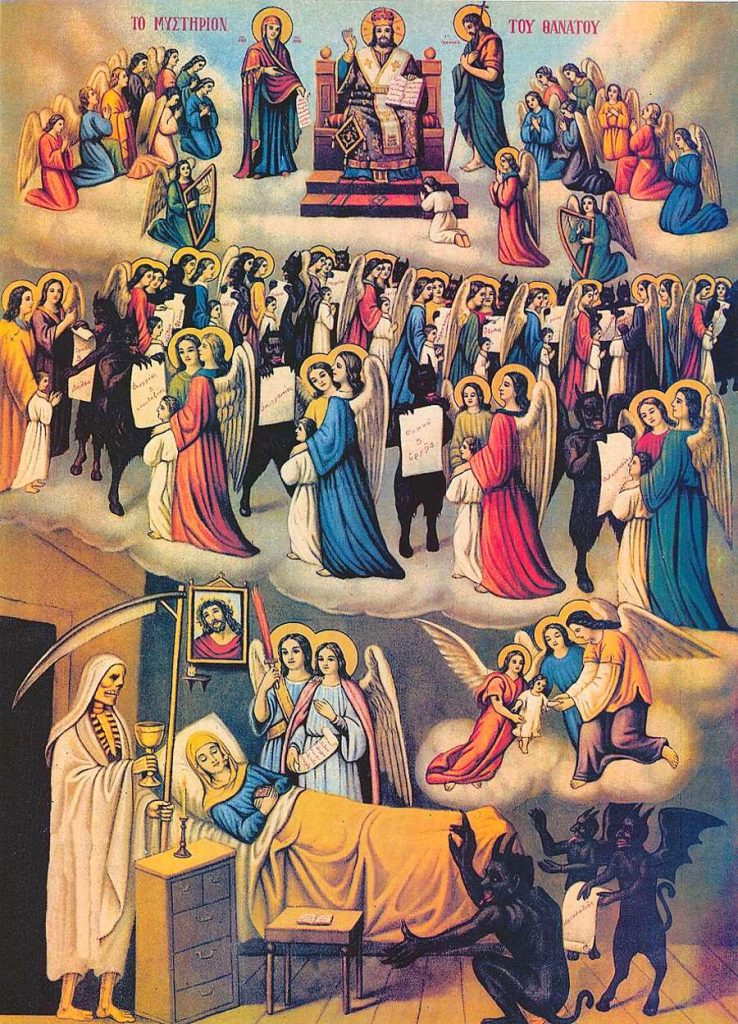
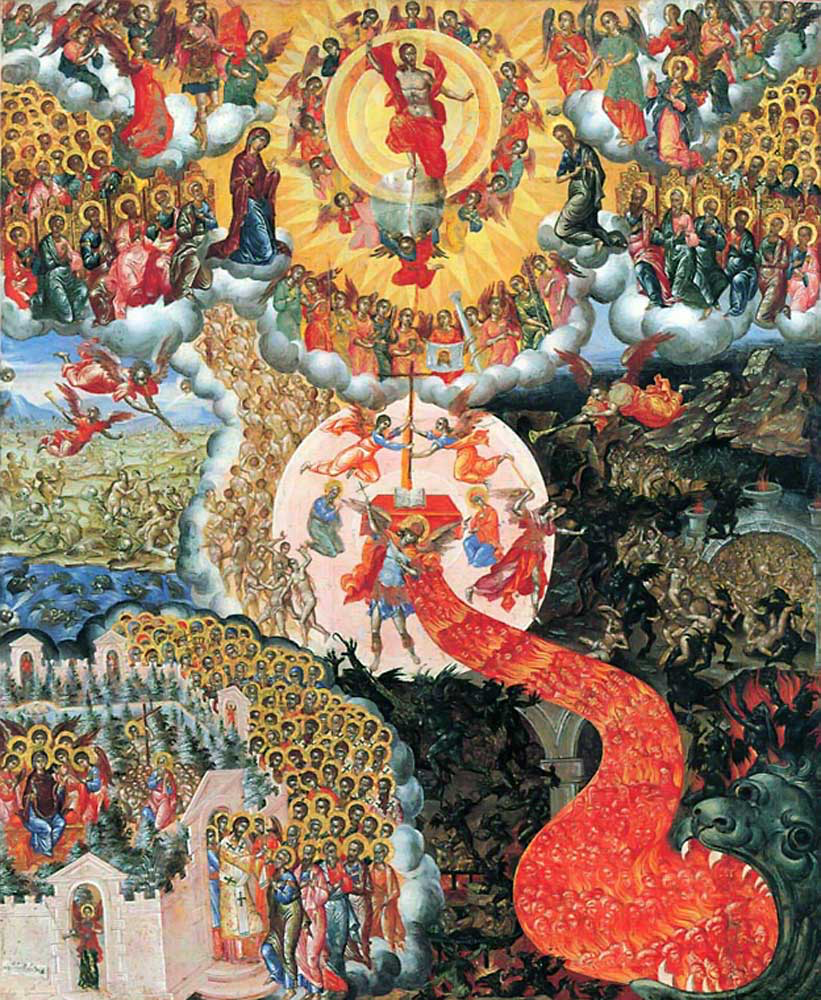
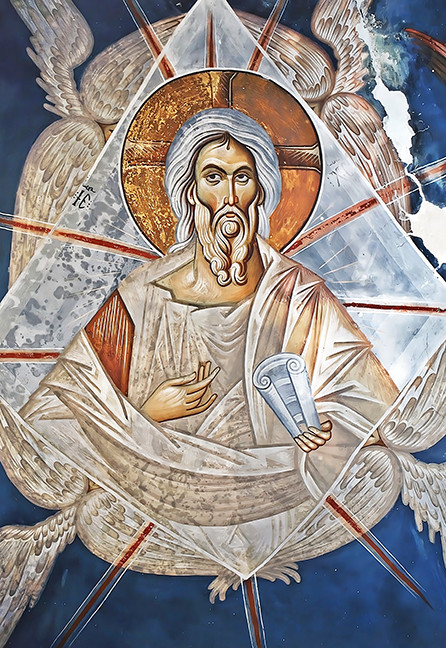
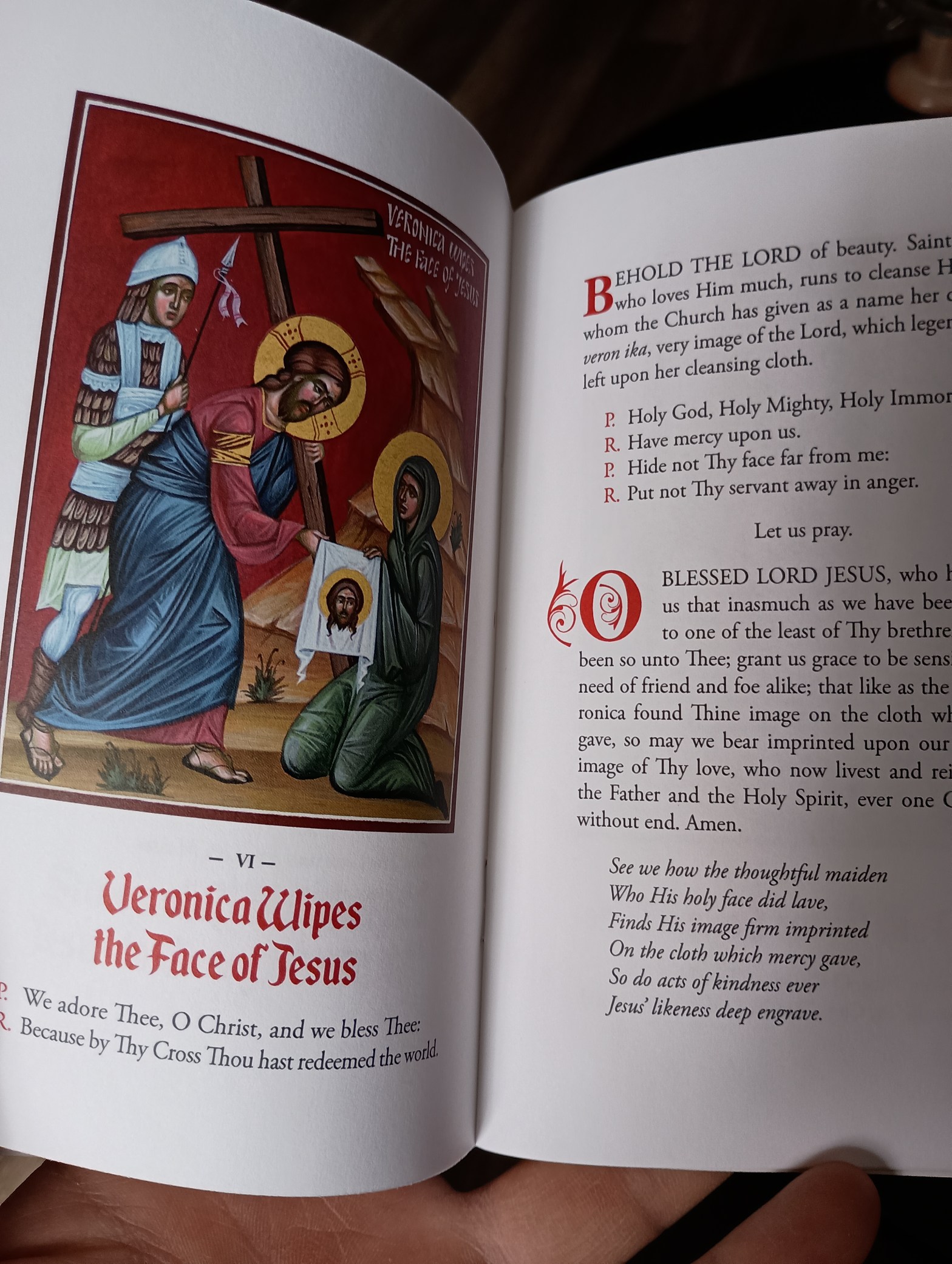
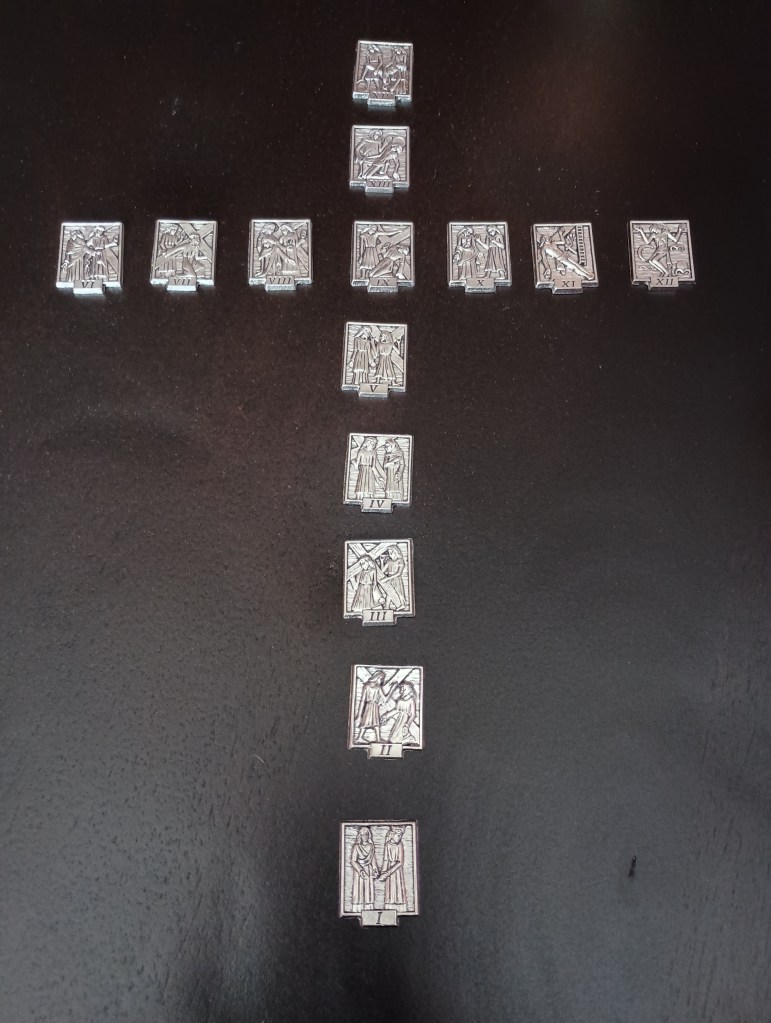
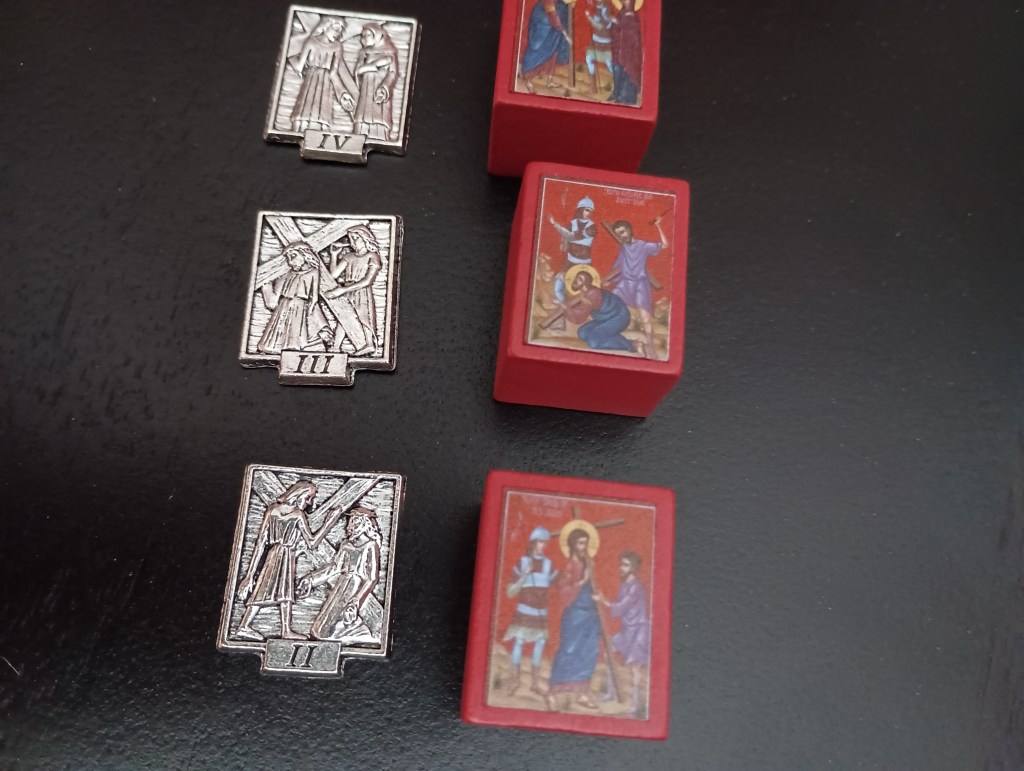
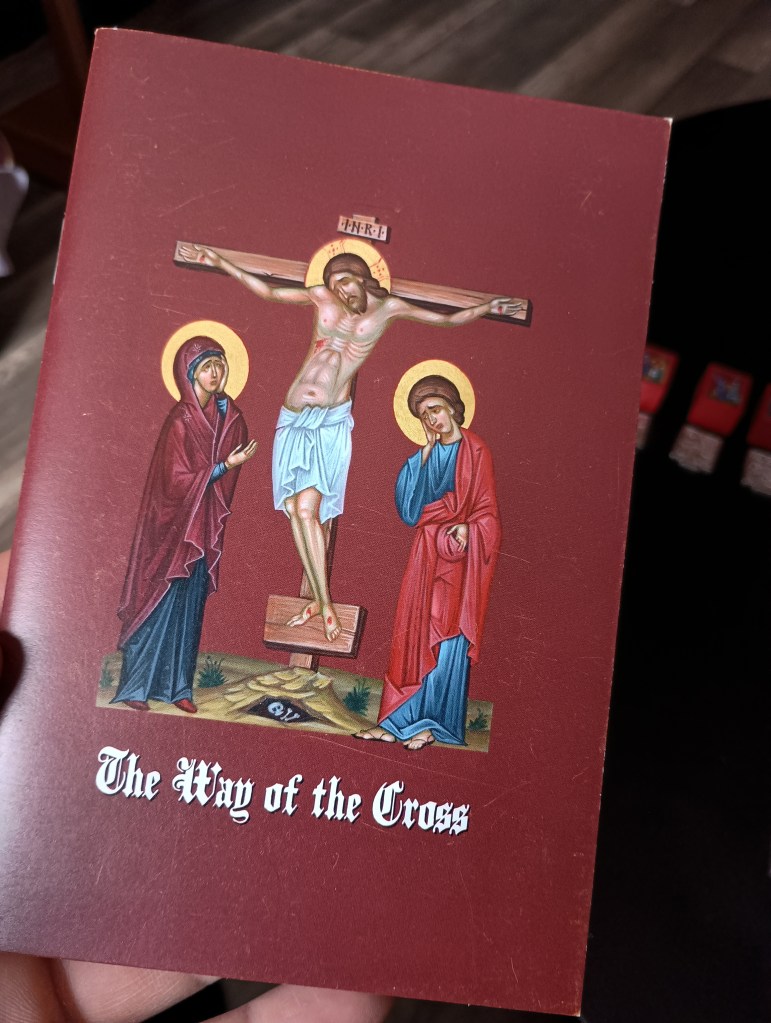
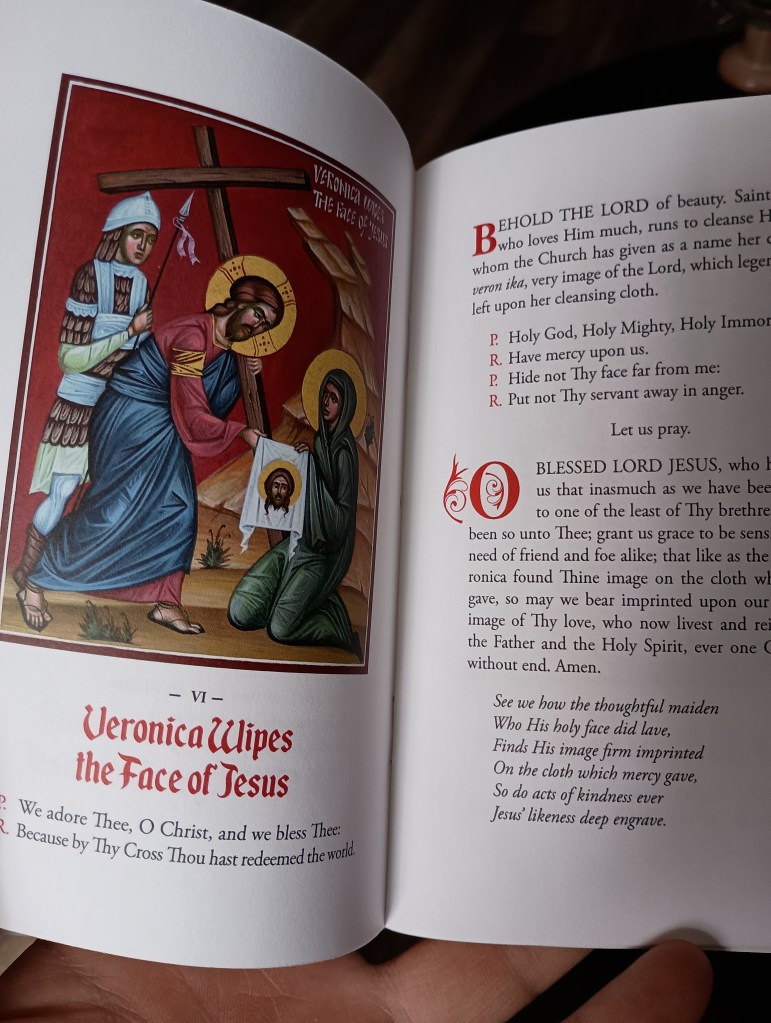
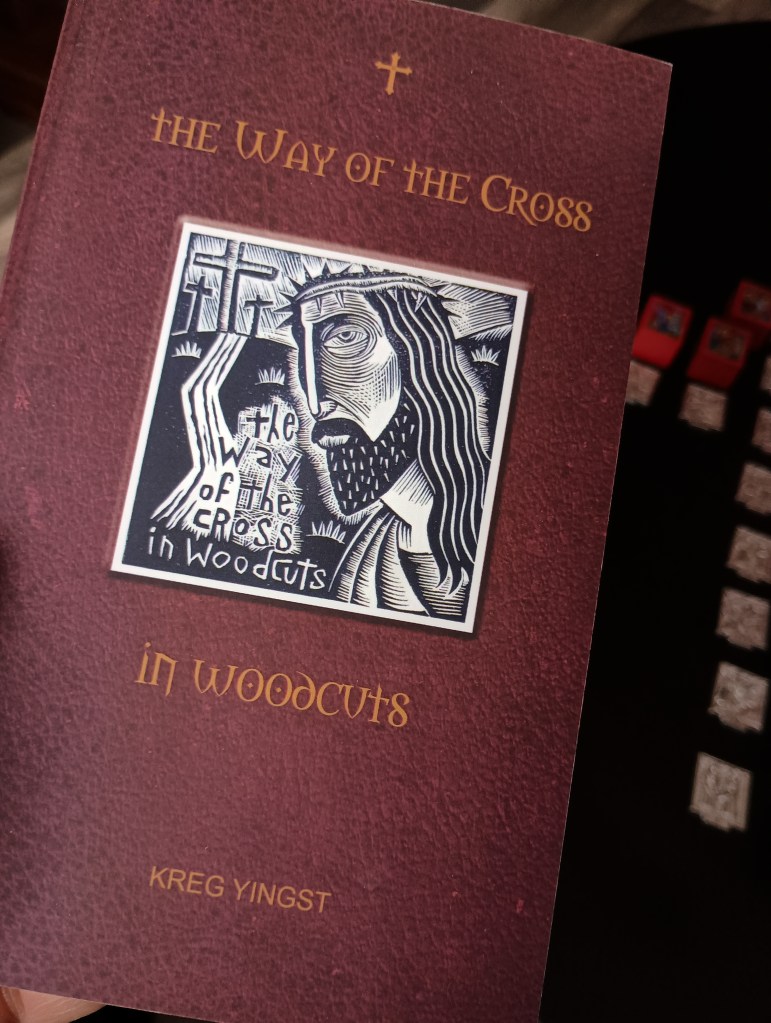
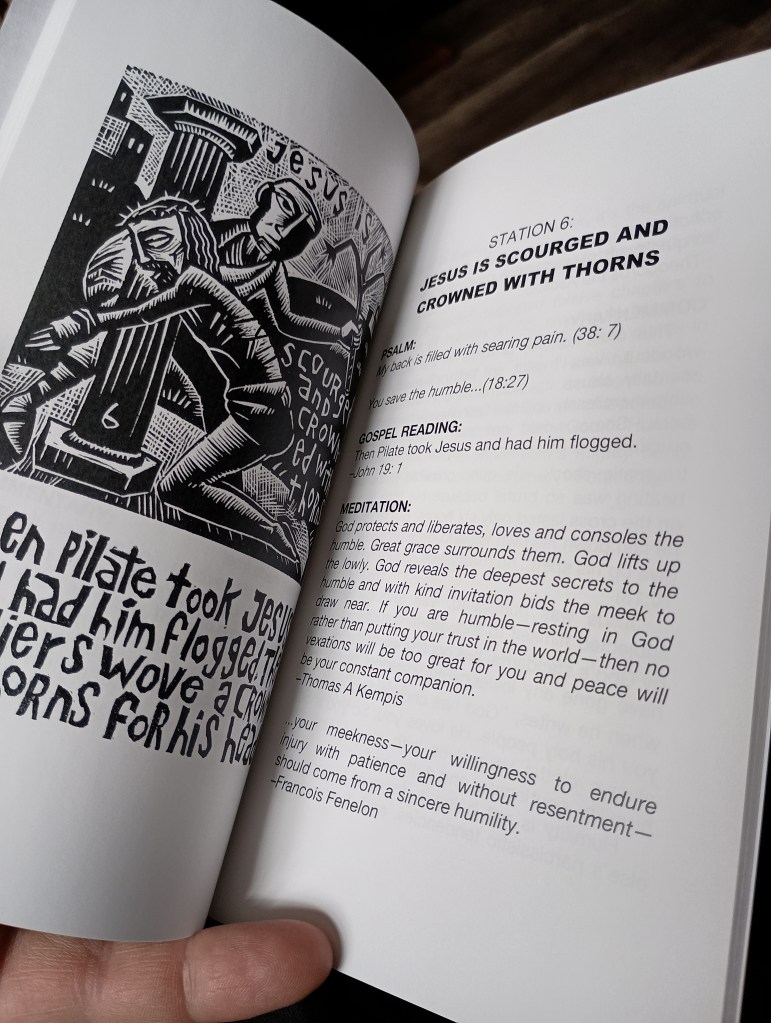
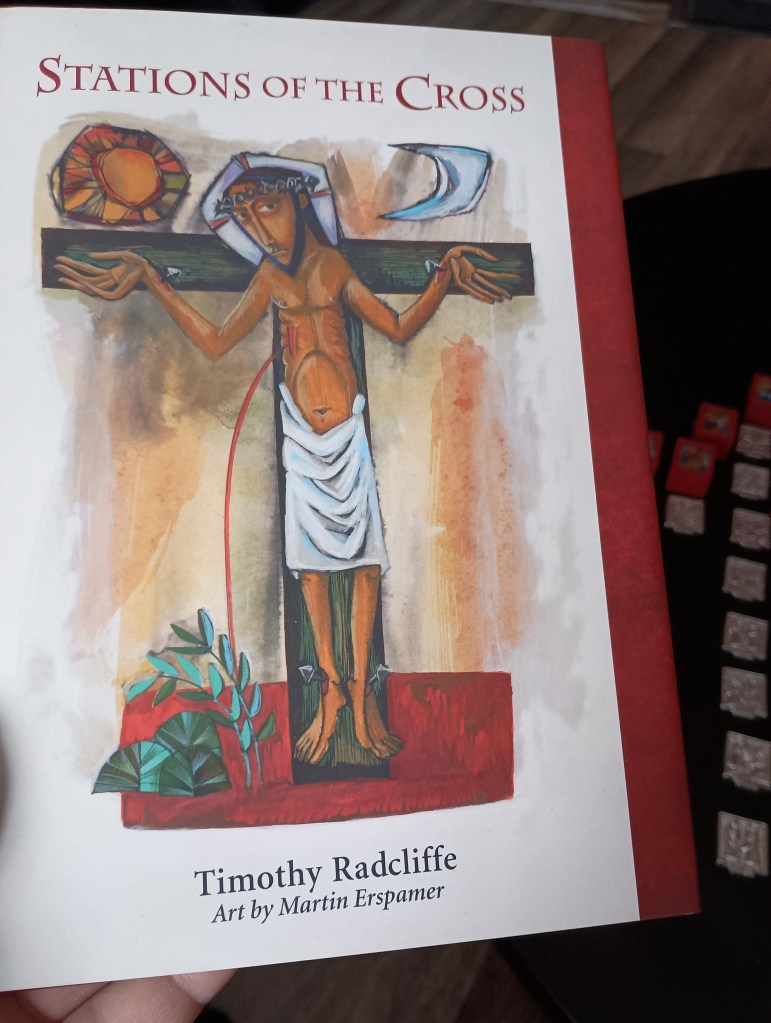
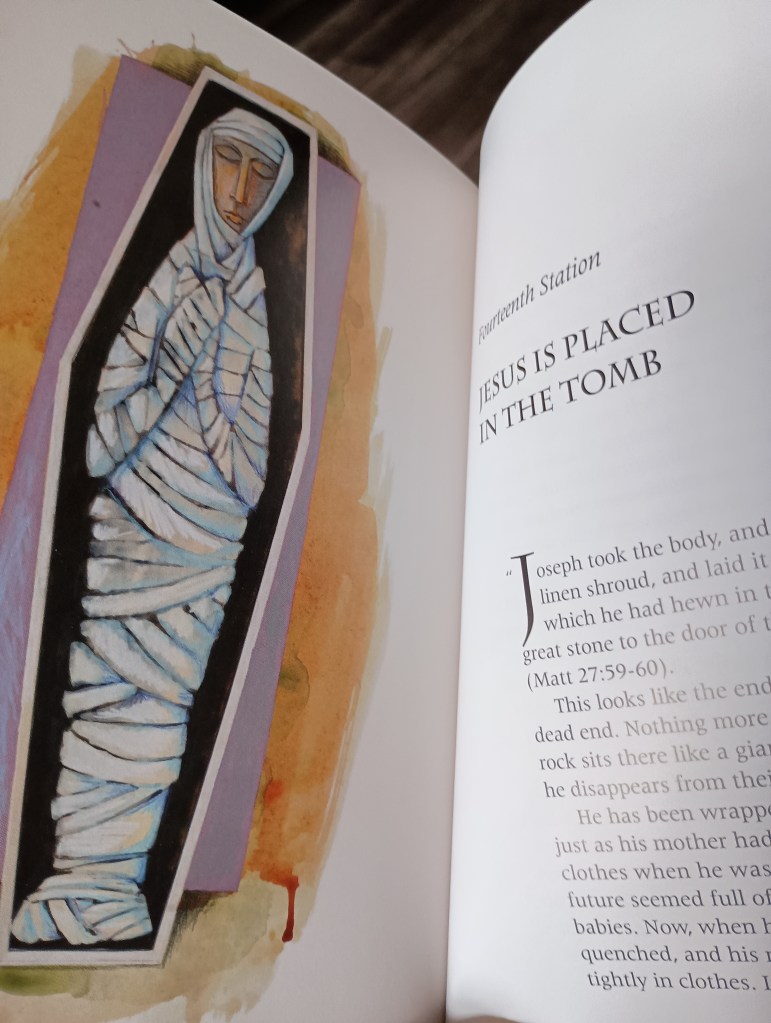
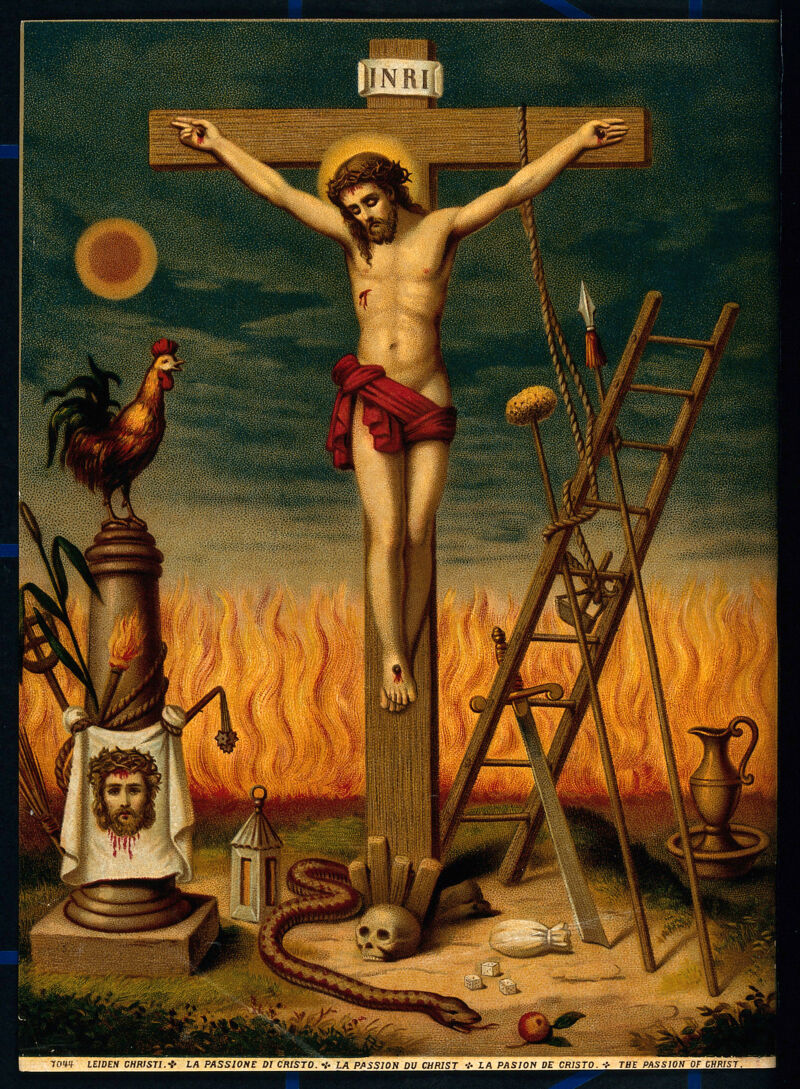
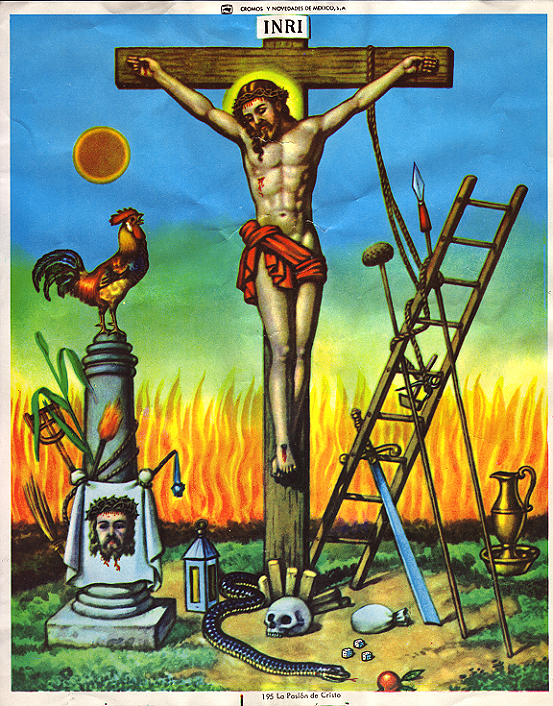
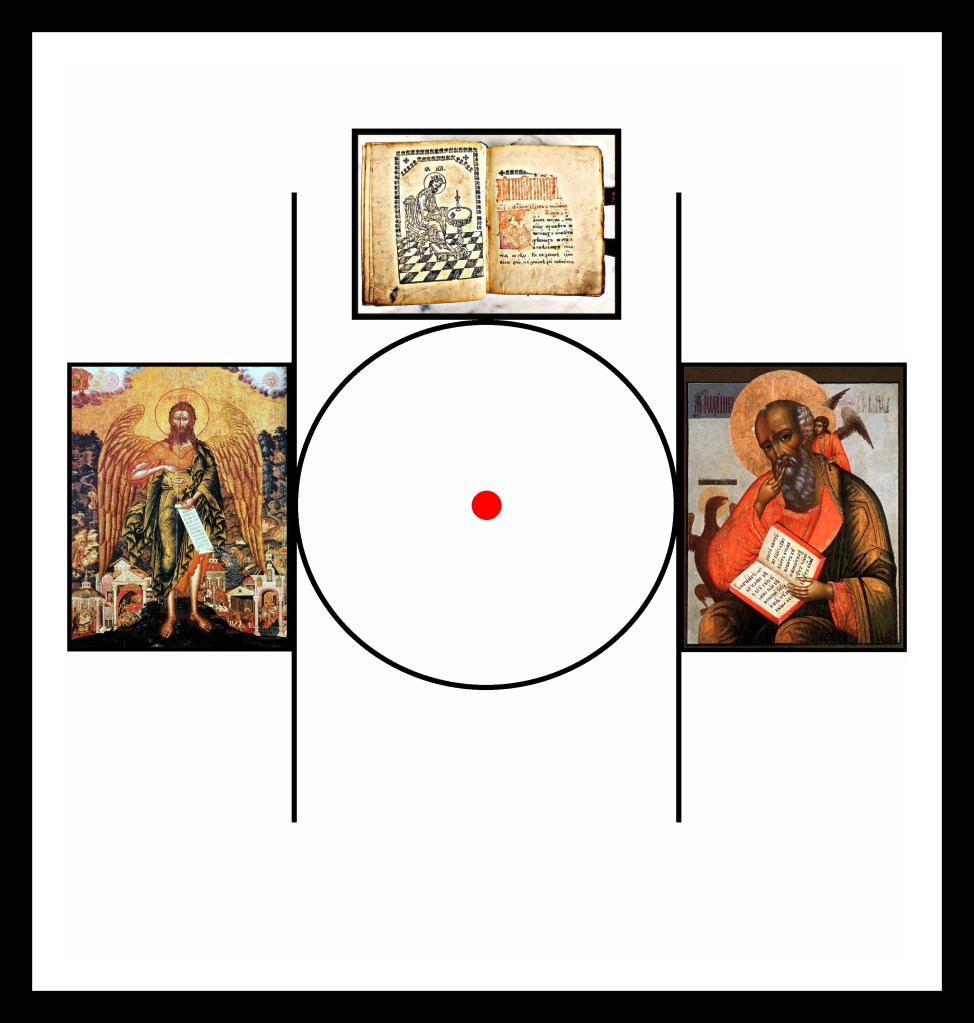

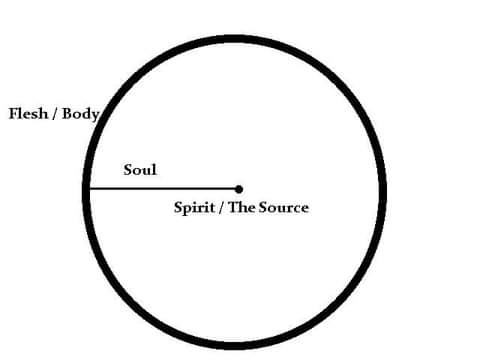
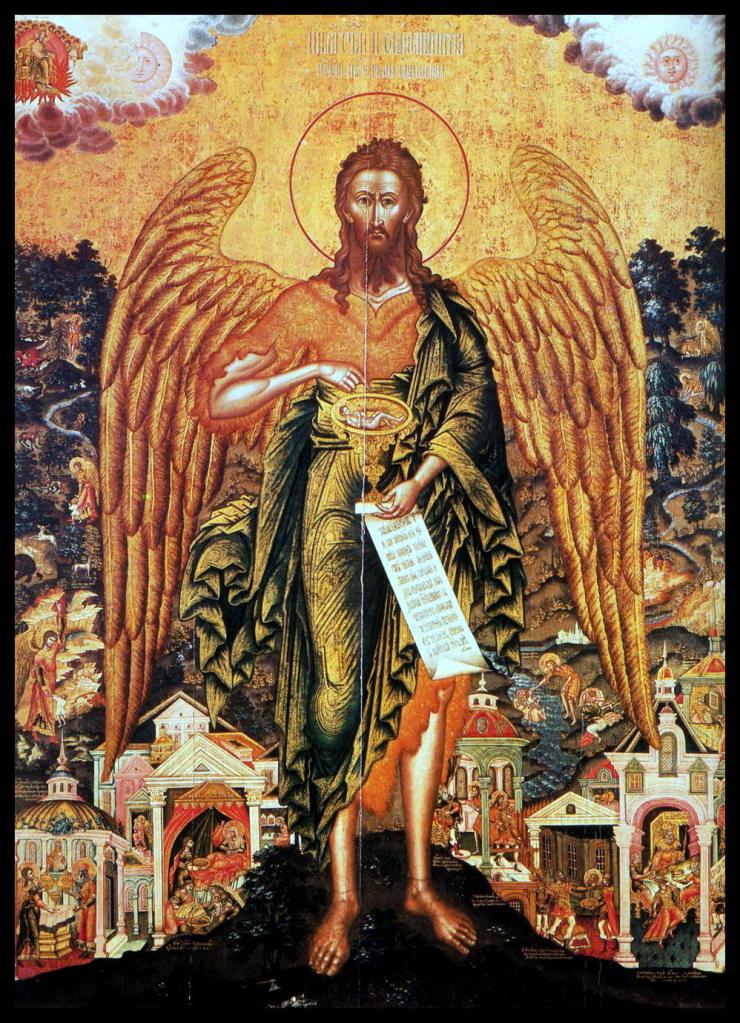
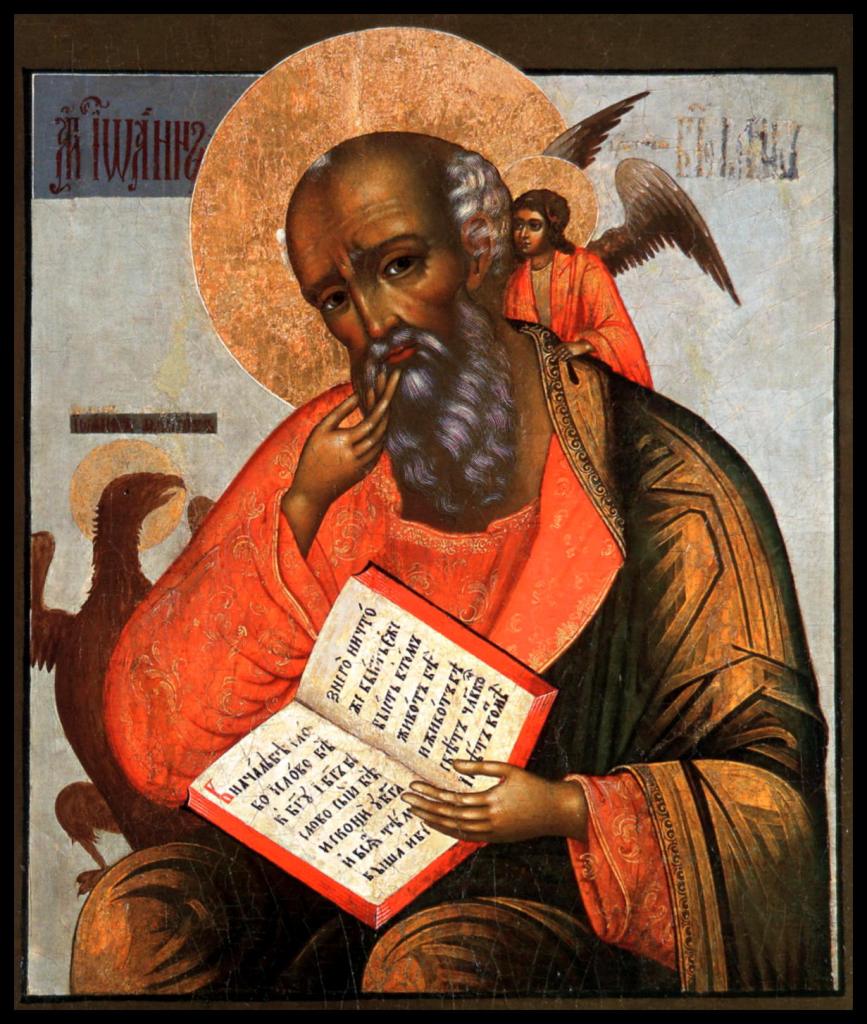
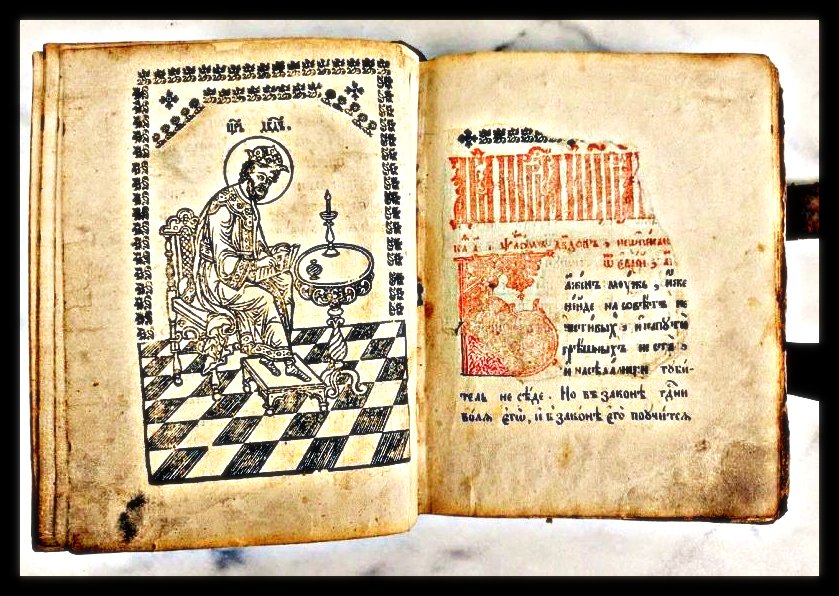
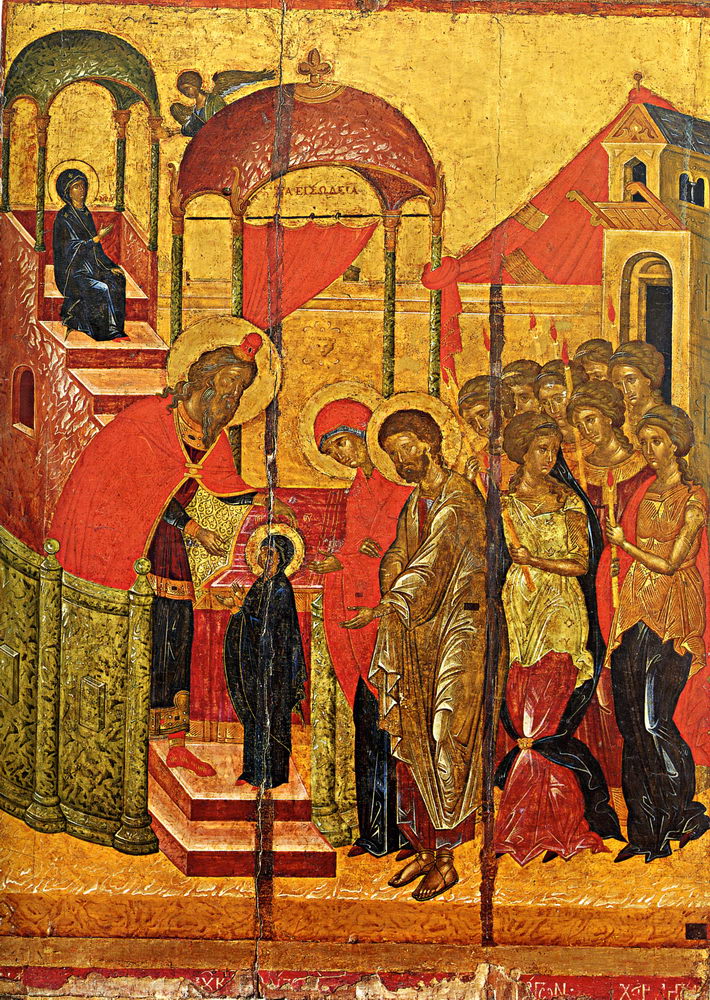
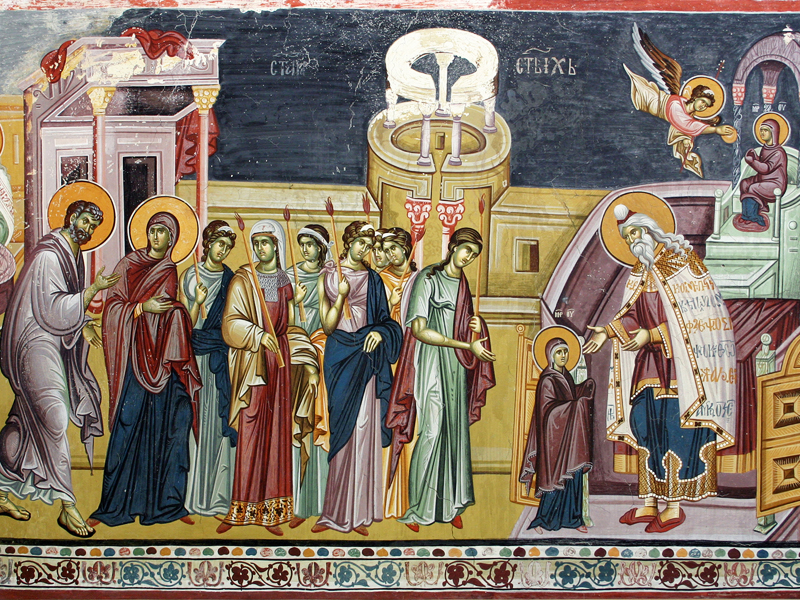
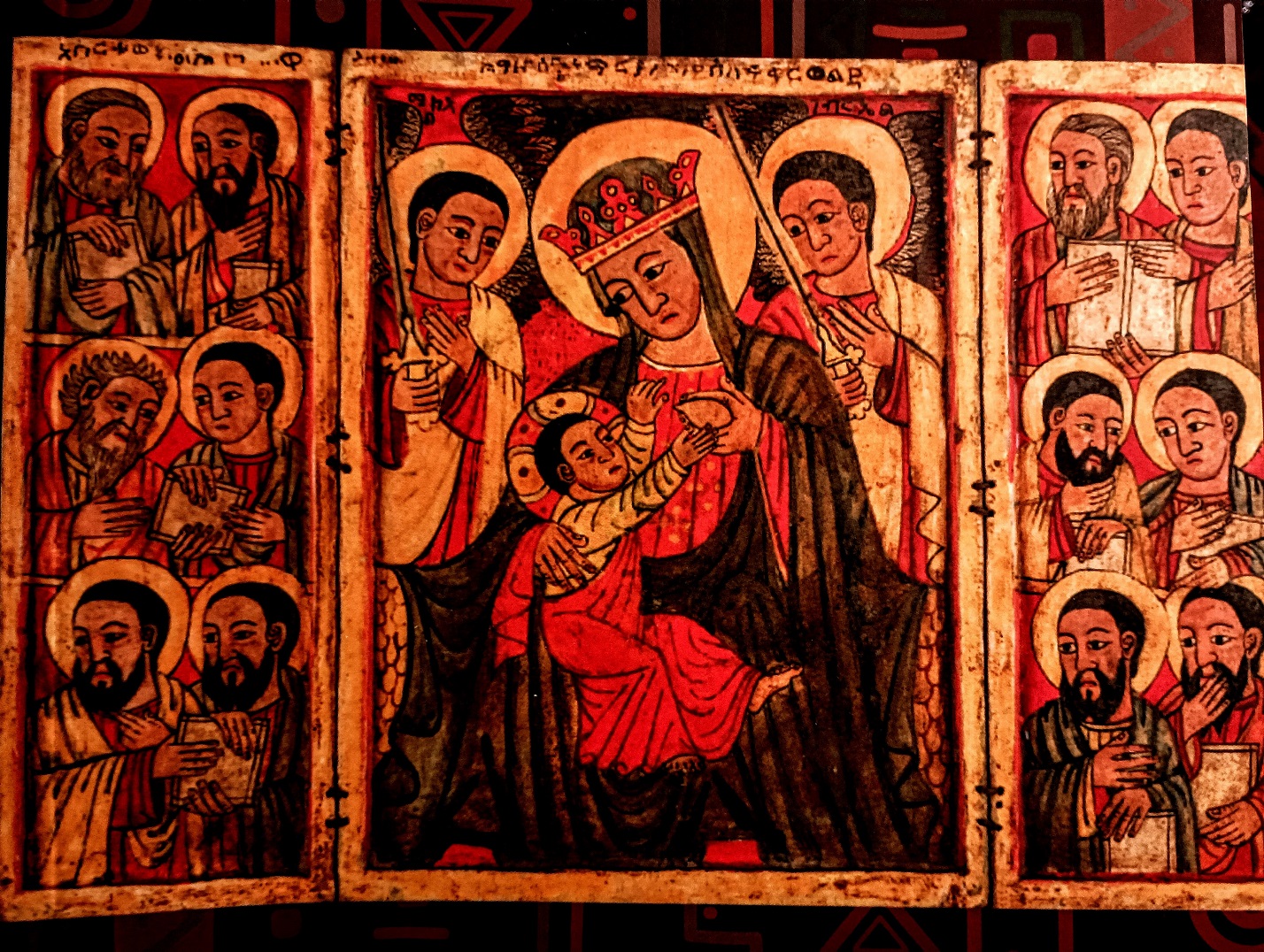

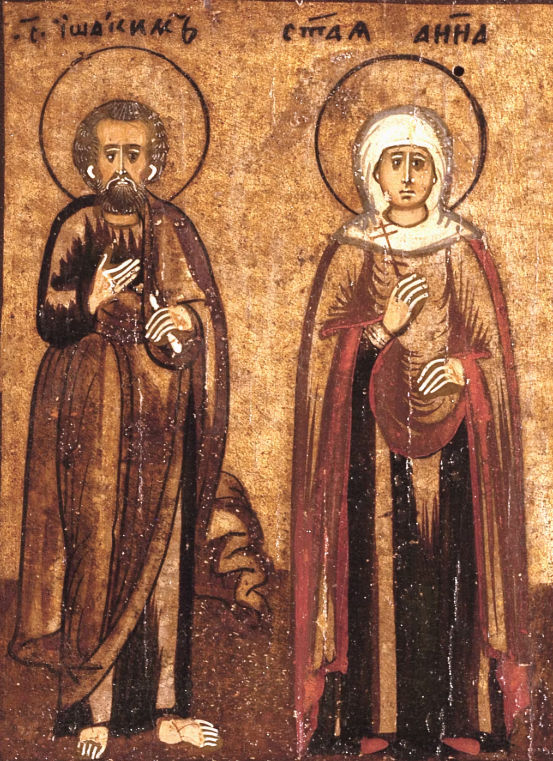
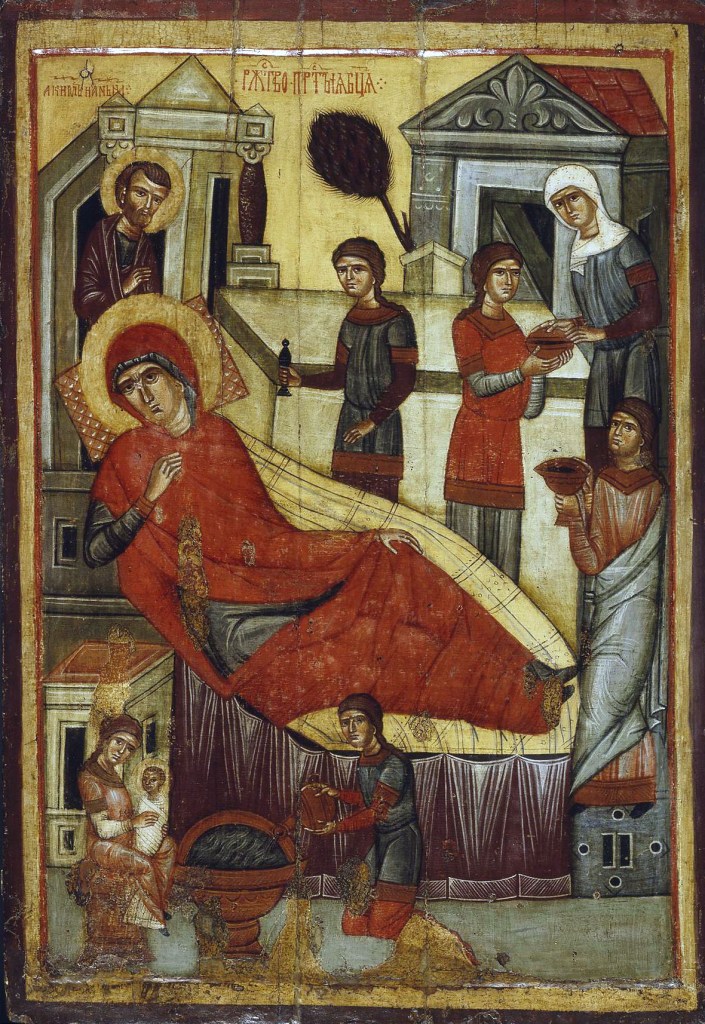

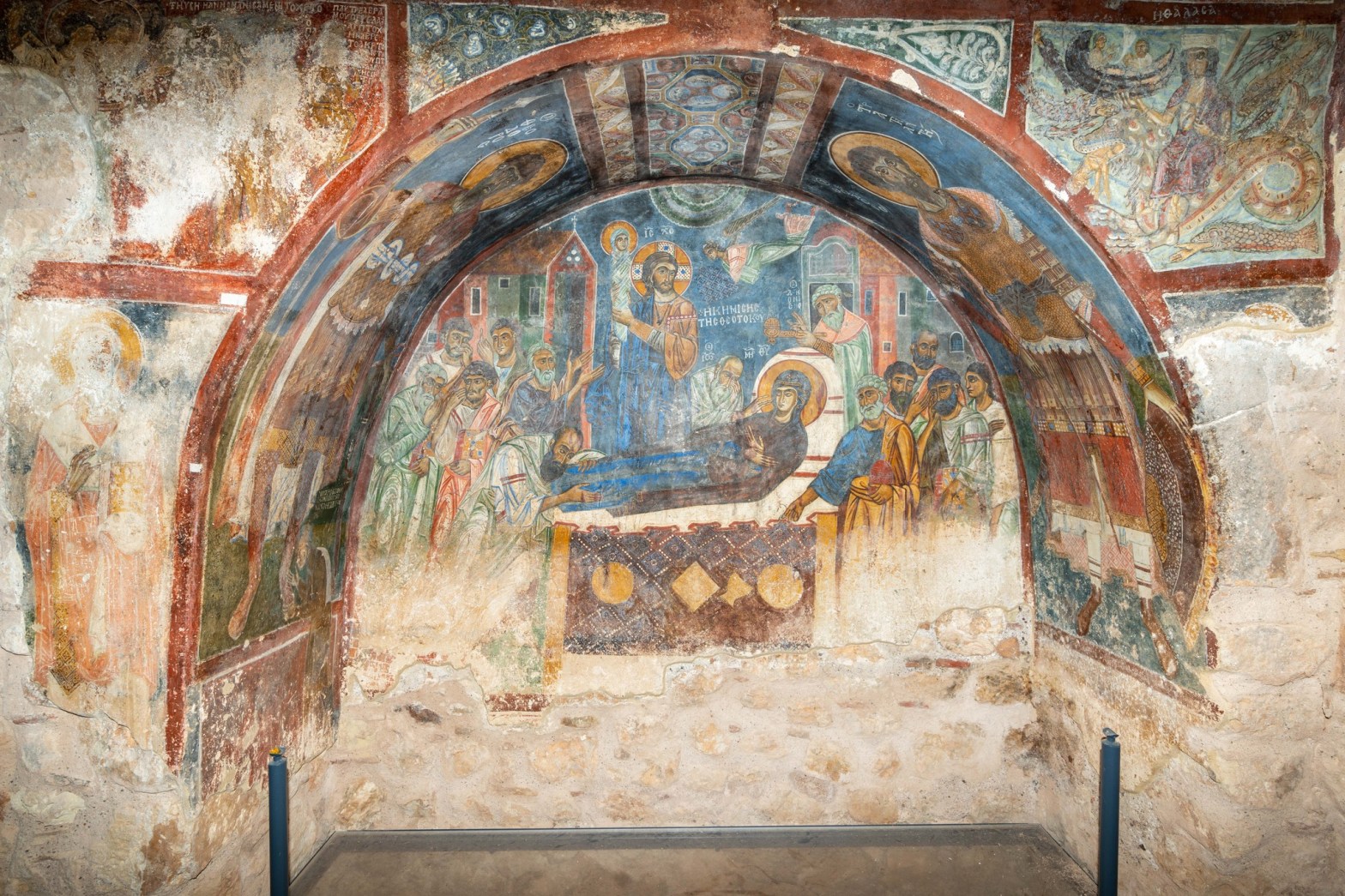

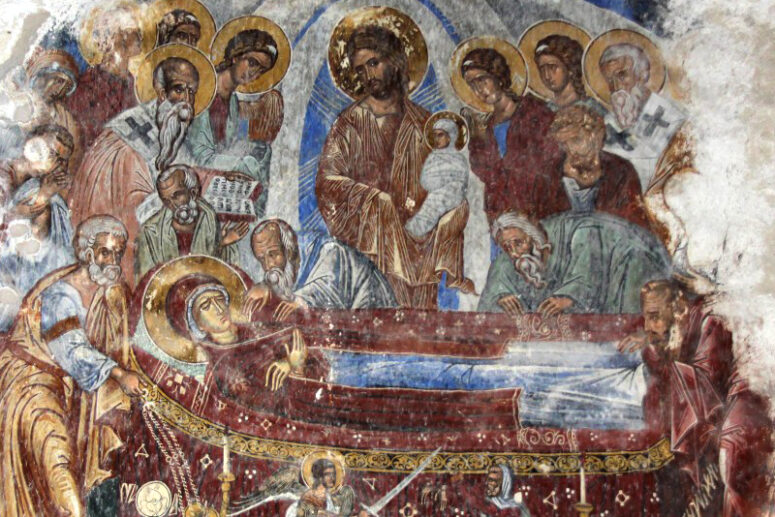
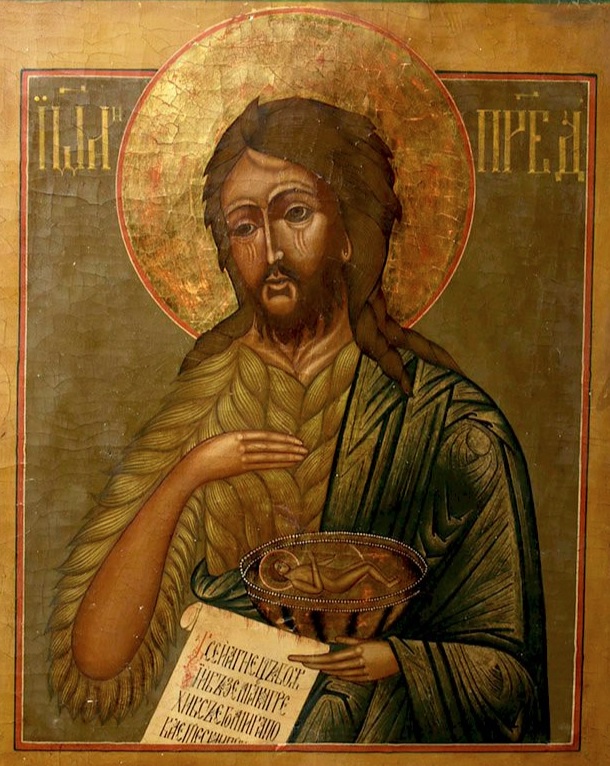
 Culmination of Wisdom