
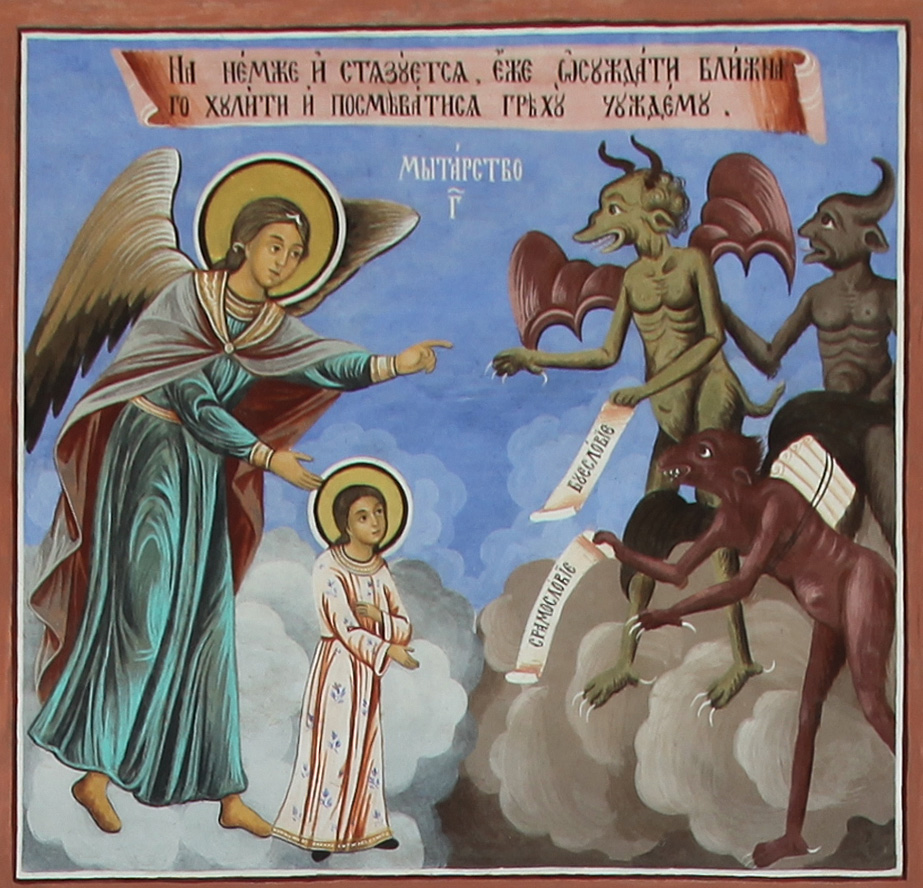
I’m going back to the tollhouse subject with this post and I want to go to the Church side (rather than Gnostic) to see what is stated there. There are numerous writings on tollhouses and just so you know, tollhouses are widely debated within the Orthodox community with some writings regarding them still appearing from modern day monks. Father (soon to be Saint) Seraphim Rose comes to mind in that regards. This post deals with the writing of Saint Cyril of Alexandria. He lived from 376 to 444 approximately, and he was based in Egypt to give you a frame of reference for his background. This particular homily I am pulling from is titled “Exodus of the Soul & the Second Coming.” I was hoping to find a public domain translation of this to share in full (at least the toll house part) but could not find one. So I will be doing more of an overview since I am using a new translation by D.P Curtin & Nico Hatzi. Their book can be purchased online relatively cheap and is part of the Scriptorium Project. This project brings forth various early to medieval church related writings to the masses in small booklets, usually under $10. And yes, it can add up quite a bit if you buy a lot, but I typically buy them here and there to push my Amazon cart into free shipping territory.
This homily is about the soul after departing from the body and the judgments that follow. The tollhouses are presented in the first part of the writing then never mentioned again as the the rest of the work deals with judgment aspects depending if the soul did this or that. Almost has a hellfire and brimstone type of feel to it at times. I am only going to focus on the tollhouse paragraphs.
The homily speaks of the soul, being held by holy angels, beginning it’s ascension. There are toll collectors who block this ascension and hinder the soul from proceeding. Each collector presents it’s own sin for the soul to overcome:
- Slander, falsehood (lying), idle and vain talk, gluttonous, drunkeness, unmeasured laughter, indecent kisses and lewd songs.
- Sight of the eyes (indecent, curious, unrestrained) and deceitful gestures.
- Hearing (of that which the person receives)
- Pleasurable smells (usually in with the smells of lascivious women and companions)
- Touch (done wickedly and grievously)
The homily stops naming the toll houses but continues mentioning other such sins as wickedness, envy/jealousy, vanity and pride, anger, wrath, fornication, adultery, softness, murder, sorcery and other loathsome and defiled acts. As you can see these all relate to the “deadly sins” that we all are aware of. St. Cyril speaks that the soul contemplates these things and awaits in a time of pain and danger until judgment is revealed. How is this judgment placed upon the soul? The heavenly angels present forth what good actions, deeds, words, thoughts and other notions the soul has performed during it’s time on earth. If these acts are in a favorable status, the sins flee away of that particular tollhouse and the soul continues onward. If the sins outweigh the good, then the soul is struck down back to the earth and is torn apart, bound to chains and imprisoned in Hades. There is no compassion; no one to hear it’s cries of mercy.
The homily continues on with no other mention of the tollhouses, so I’ll end my over view here. As I have mentioned before in my previous posts regarding this subject, the tollhouses are a metaphor for the spiritual warfare we face throughout our life. To overcome our sins by doing better and hoping our good outweighs the bad. Someone reading this list of sins may question why some are included but remember we are to live as children of God. Yes we all fail miserably at times but we need to strive for the best we can be. Are there literal tollhouses in the afterlife? Who knows, but we’ll all find out one of these days. Let’s hope our good outweighs the bad.
I’ll continue on with my tollhouses posts. I would like to get more Orthodox perspectives on them and eventually I want to do a post on the Gnostic Book of Jeu, which is quite the text when it comes to tollhouses (you’re going to need some passwords to bypass those archons!).
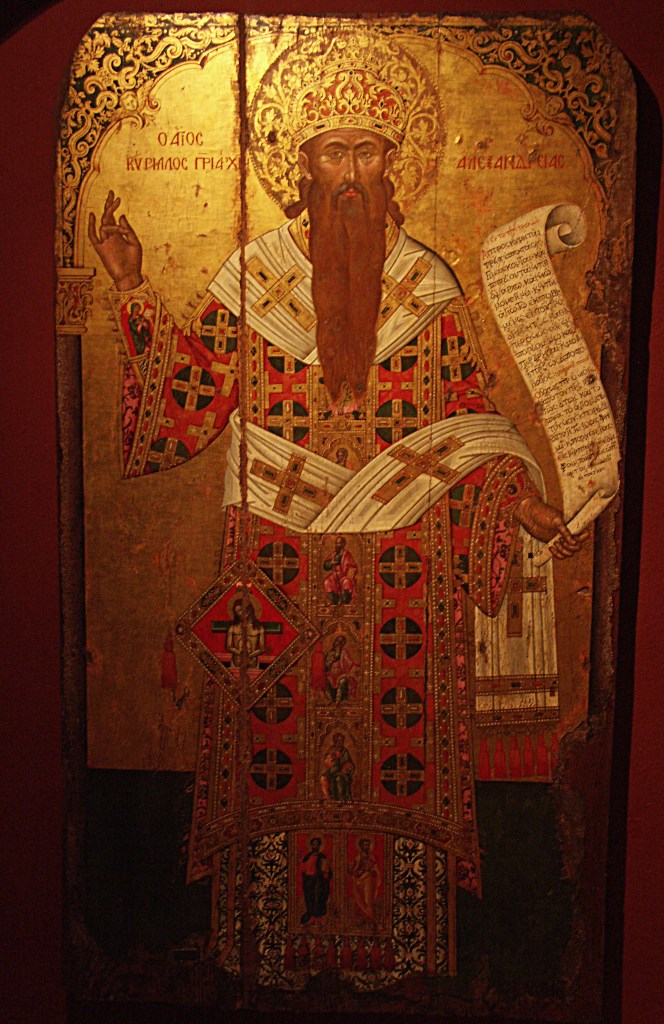
Icon of Saint Cyril by Emmanuel Tzanes – 1654.
Featured photo is from a fresco of the tollhouses that is at the Rila Monastery in Bulgaria.
bP

